Queen Mary School, located in Mexico City, is committed to developing both academic knowledge and essential life skills. The school believes that students should grow not only as learners but also as confident, responsible and collaborative individuals. For eight years, developing emotional and soft skills has been a priority. We joined the Global Accelerator to structure skill development and demonstrate to students and parents how to achieve and utilize these skills more efficiently.
This year, Skills Builder sessions were scheduled every Tuesday and Thursday, allowing students to develop one essential skill through explicit teaching, reflection and practical application.
In my two Grade 3 English classes, students democratically selected Leadership as the skill they wanted to develop throughout the programme.
At the beginning of the programme, students had a limited understanding of leadership. Most of them associated being a leader with the adults around them, such as parents and teachers. As a result, they believed that leadership meant giving orders, making rules and telling others what to do.
This misconception became an important starting point for our work. Through discussions, activities and reflection, students gradually distinguished the role of a leader from that of a caregiver or authority figure. They discovered that a leader does not simply give instructions but listens, organizes, encourages participation and helps a team achieve a common goal.
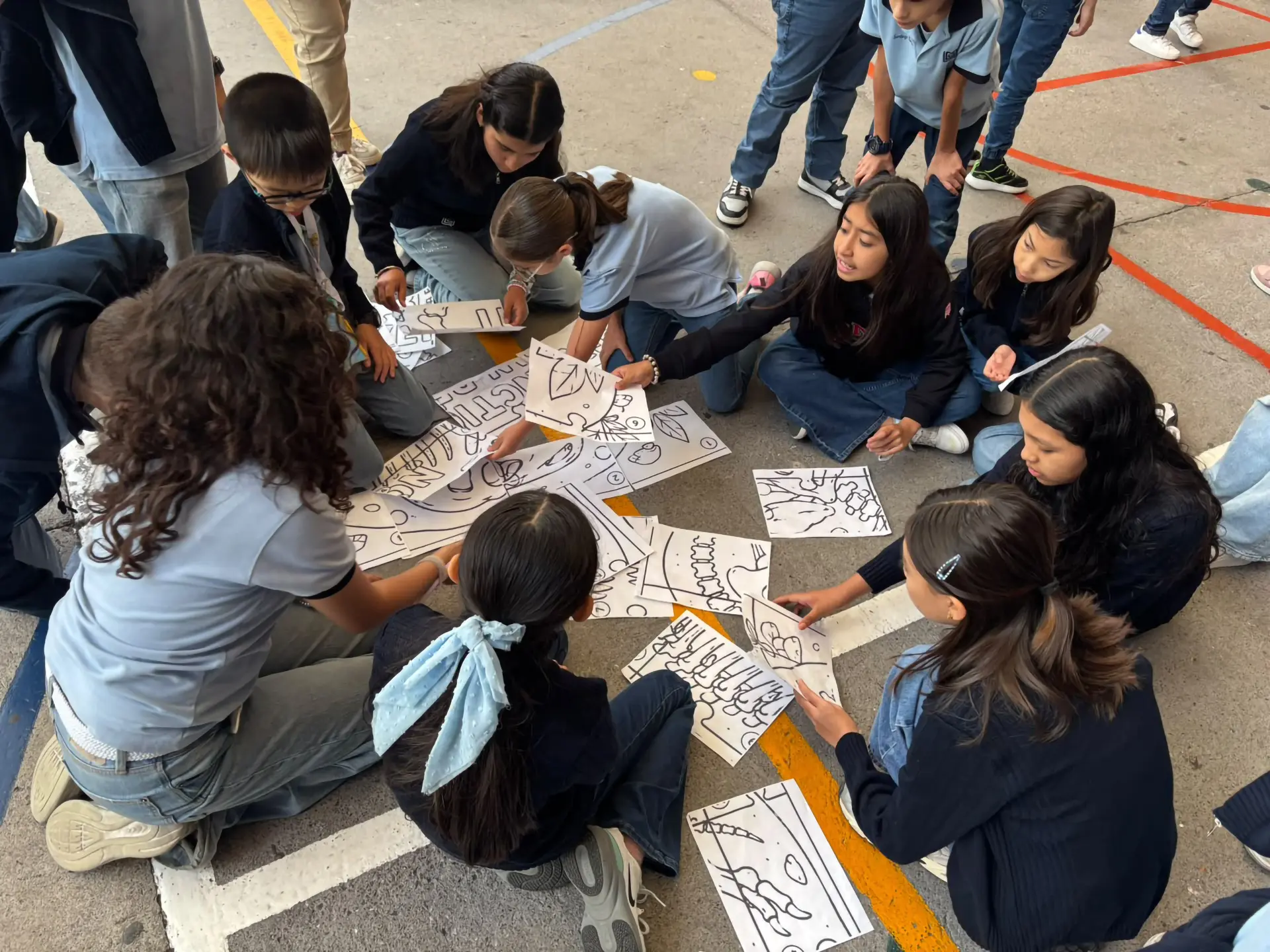
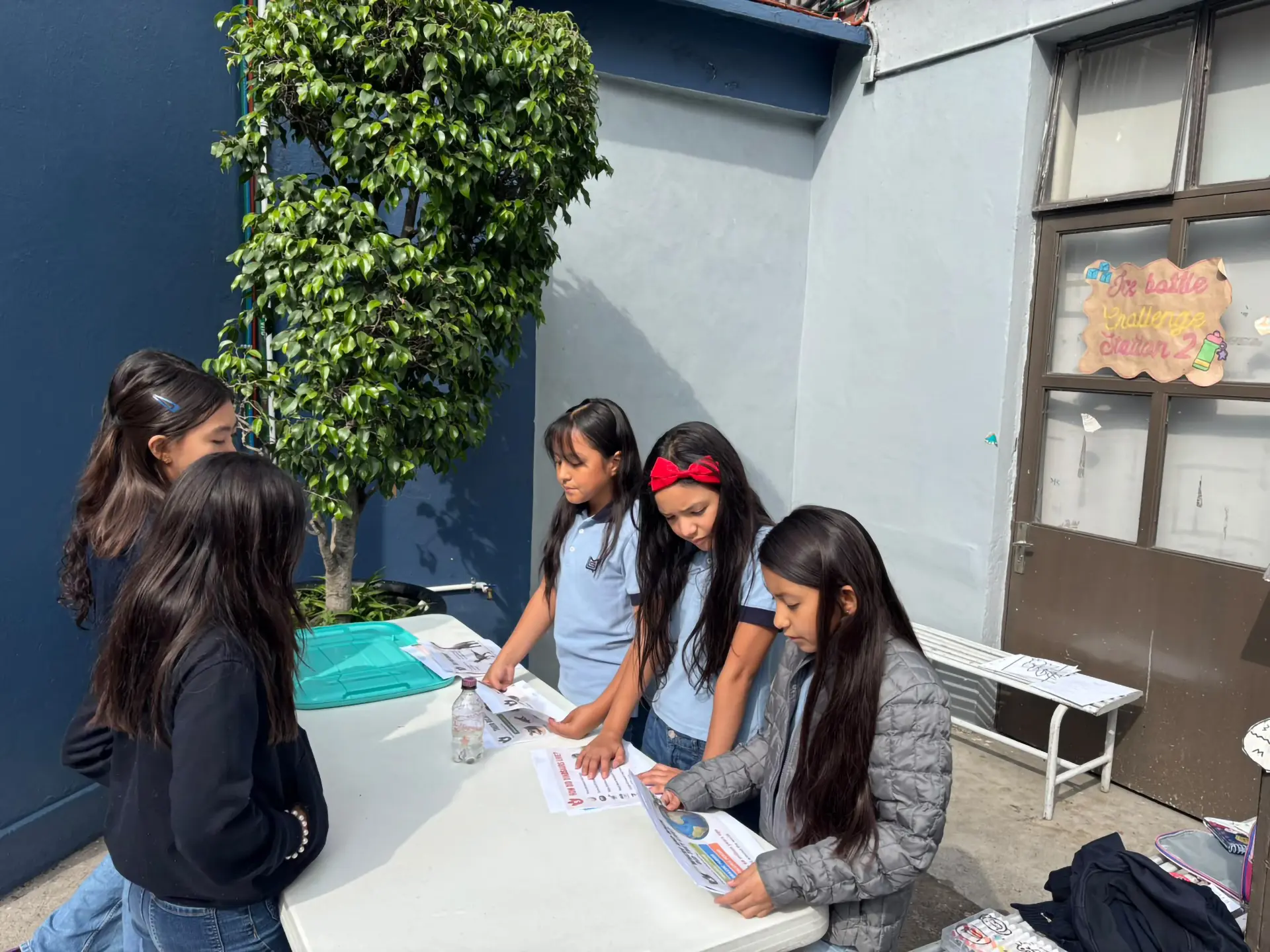
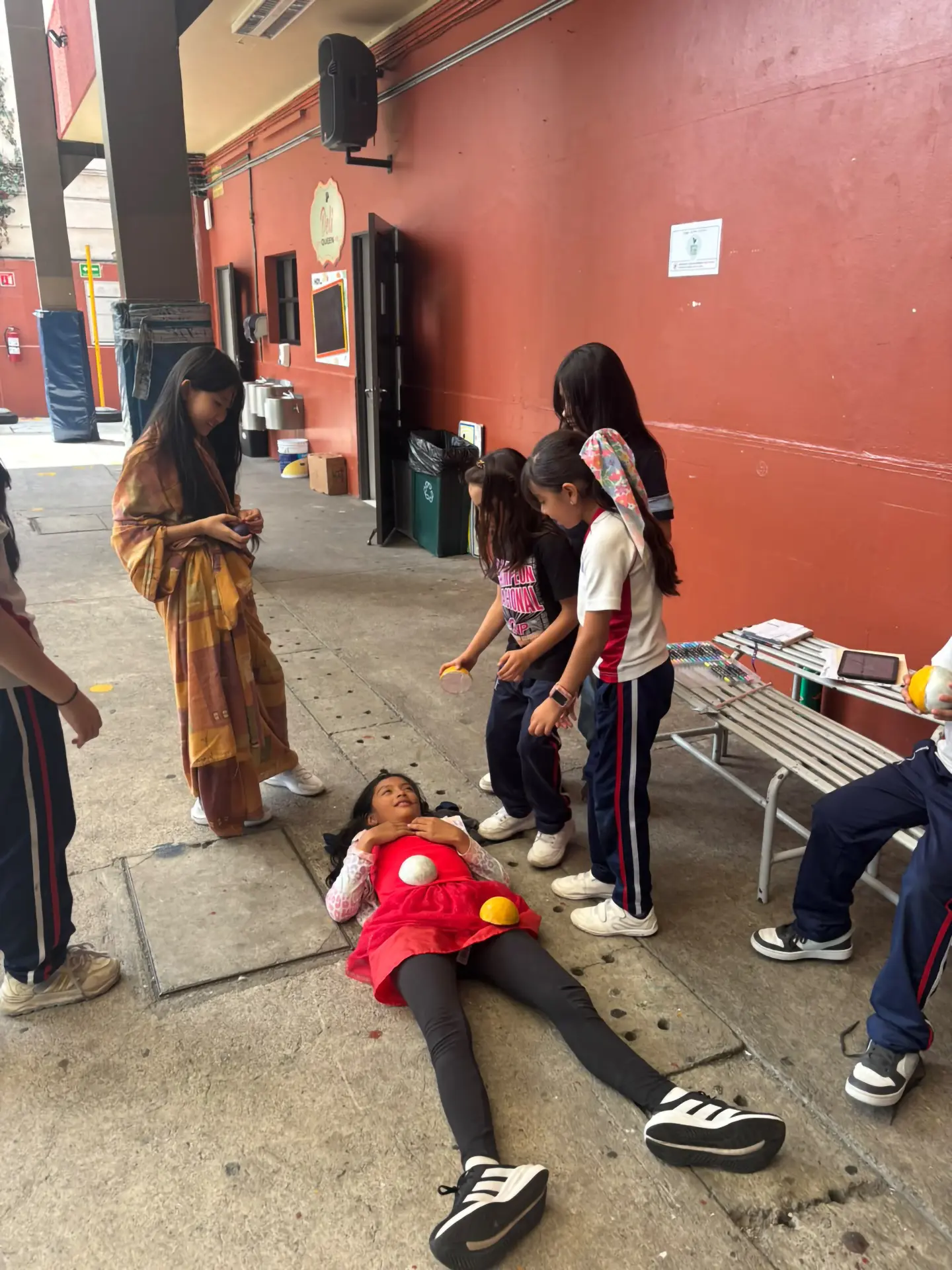
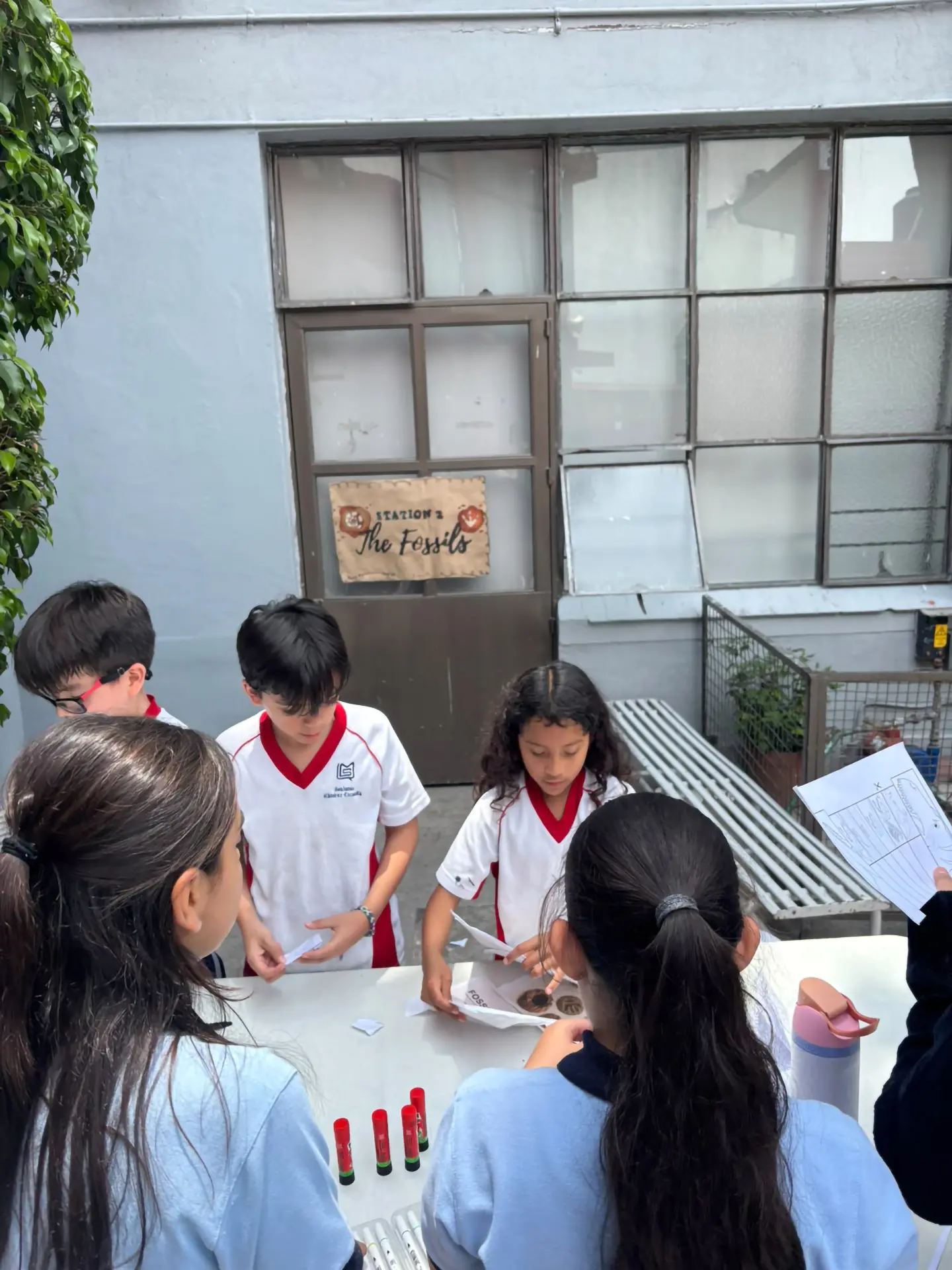
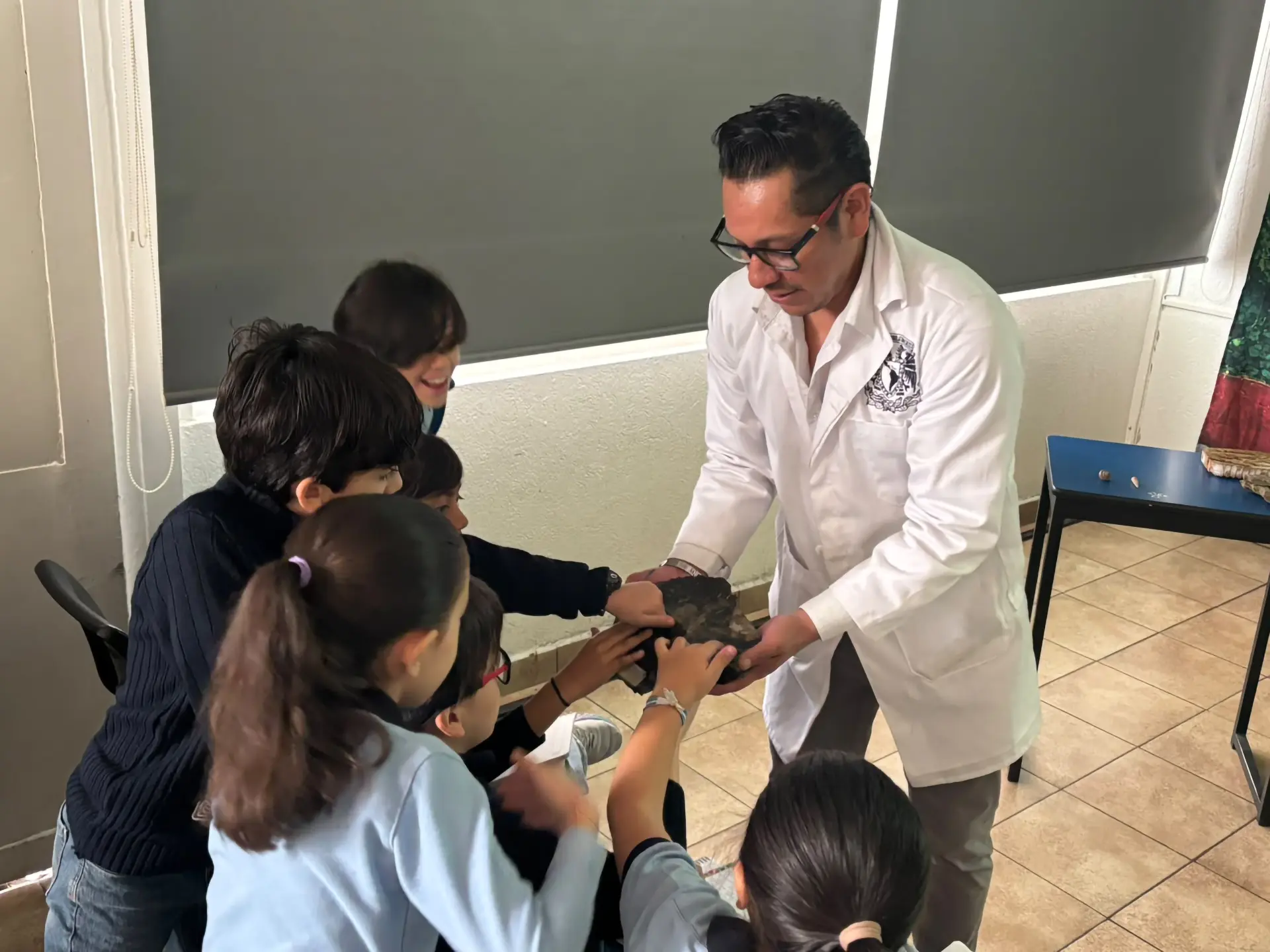
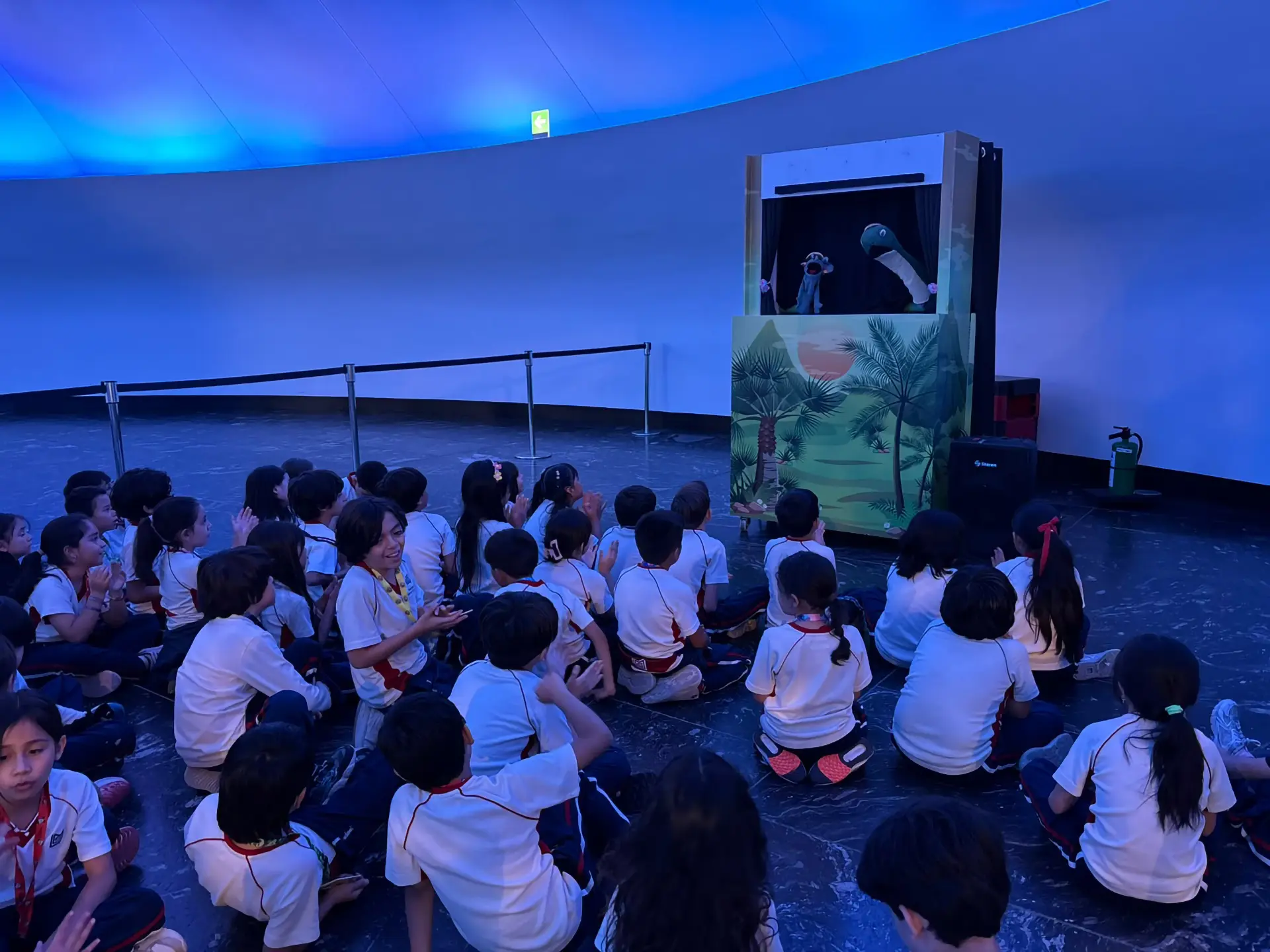
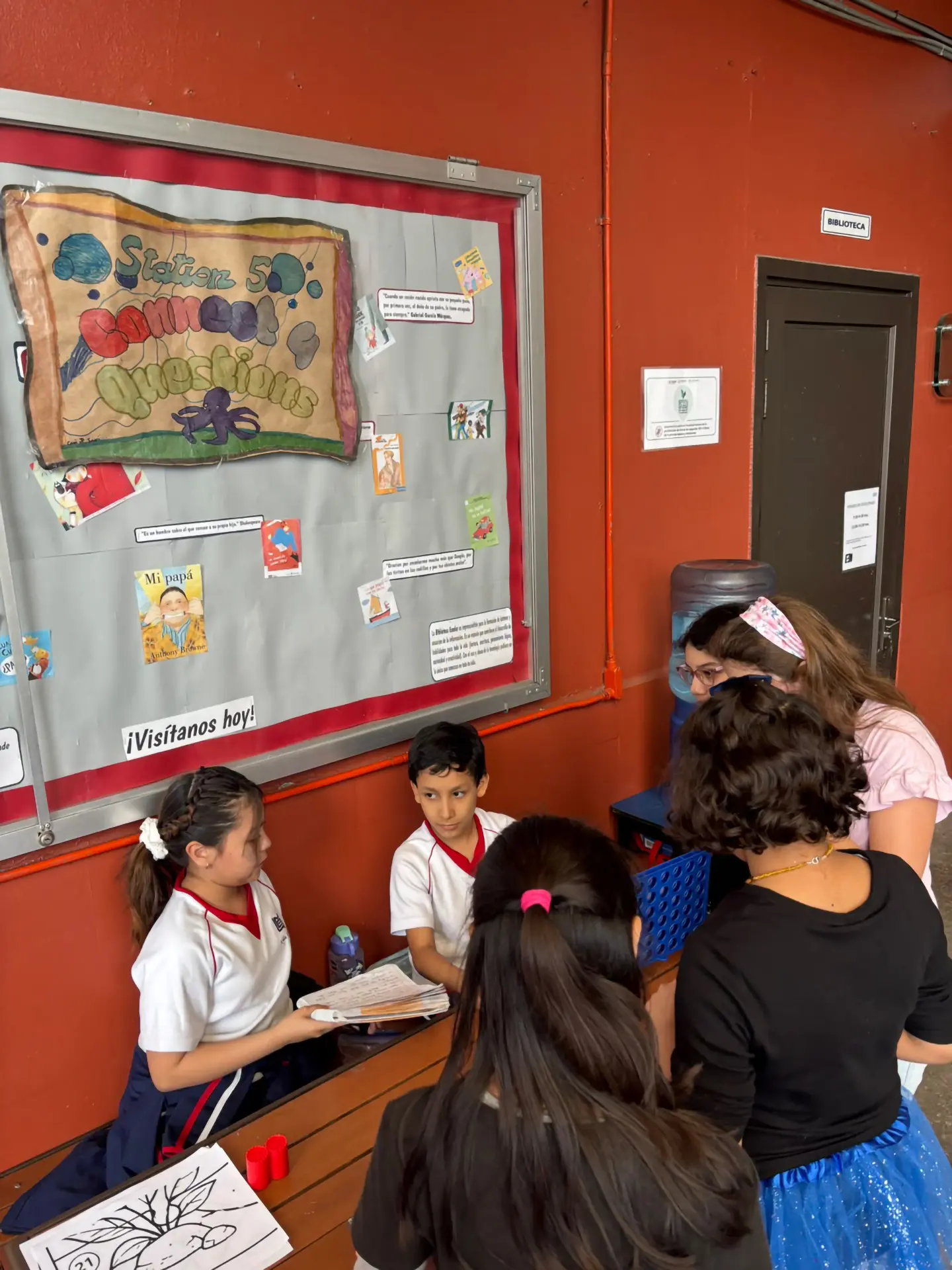
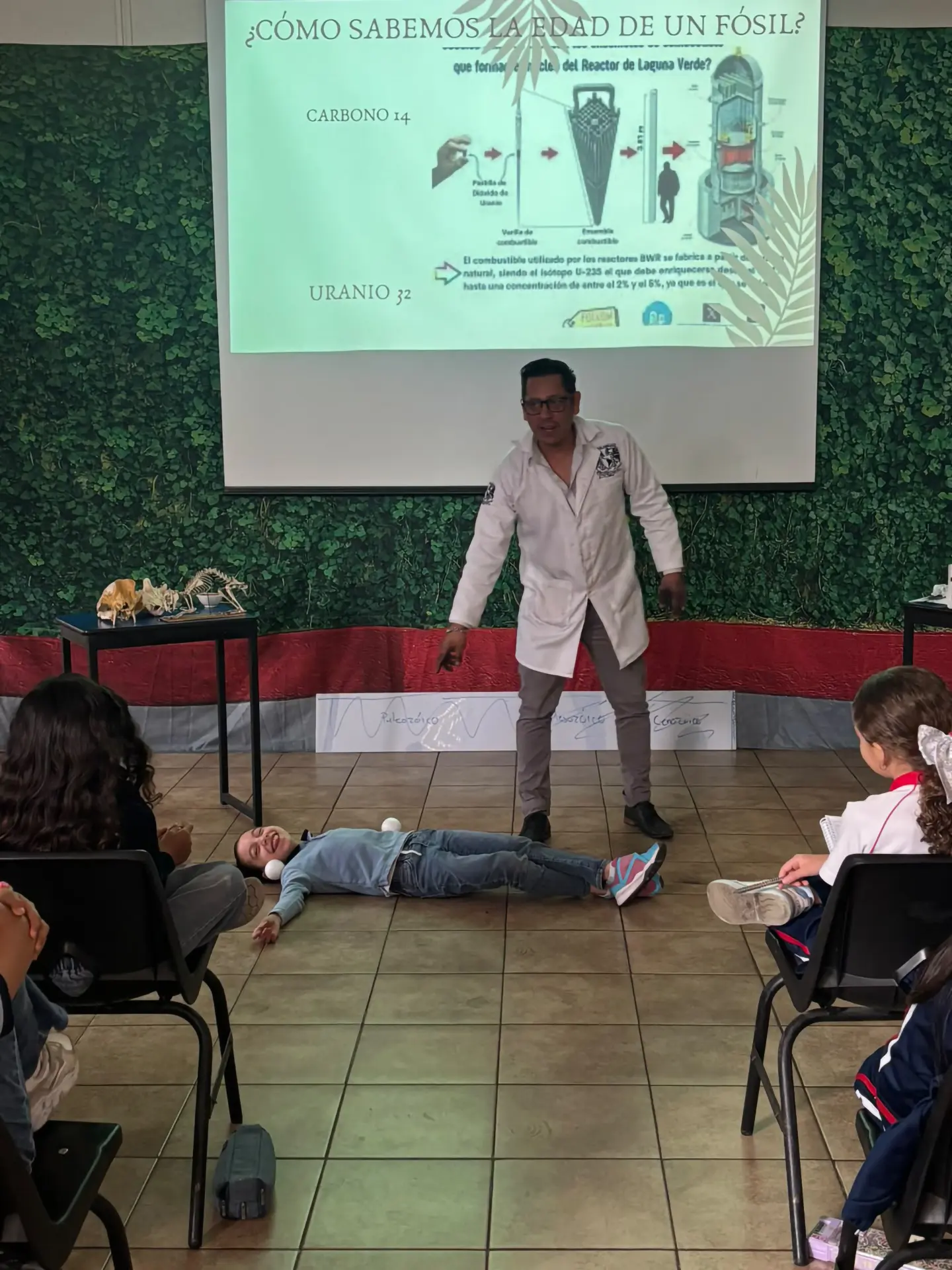
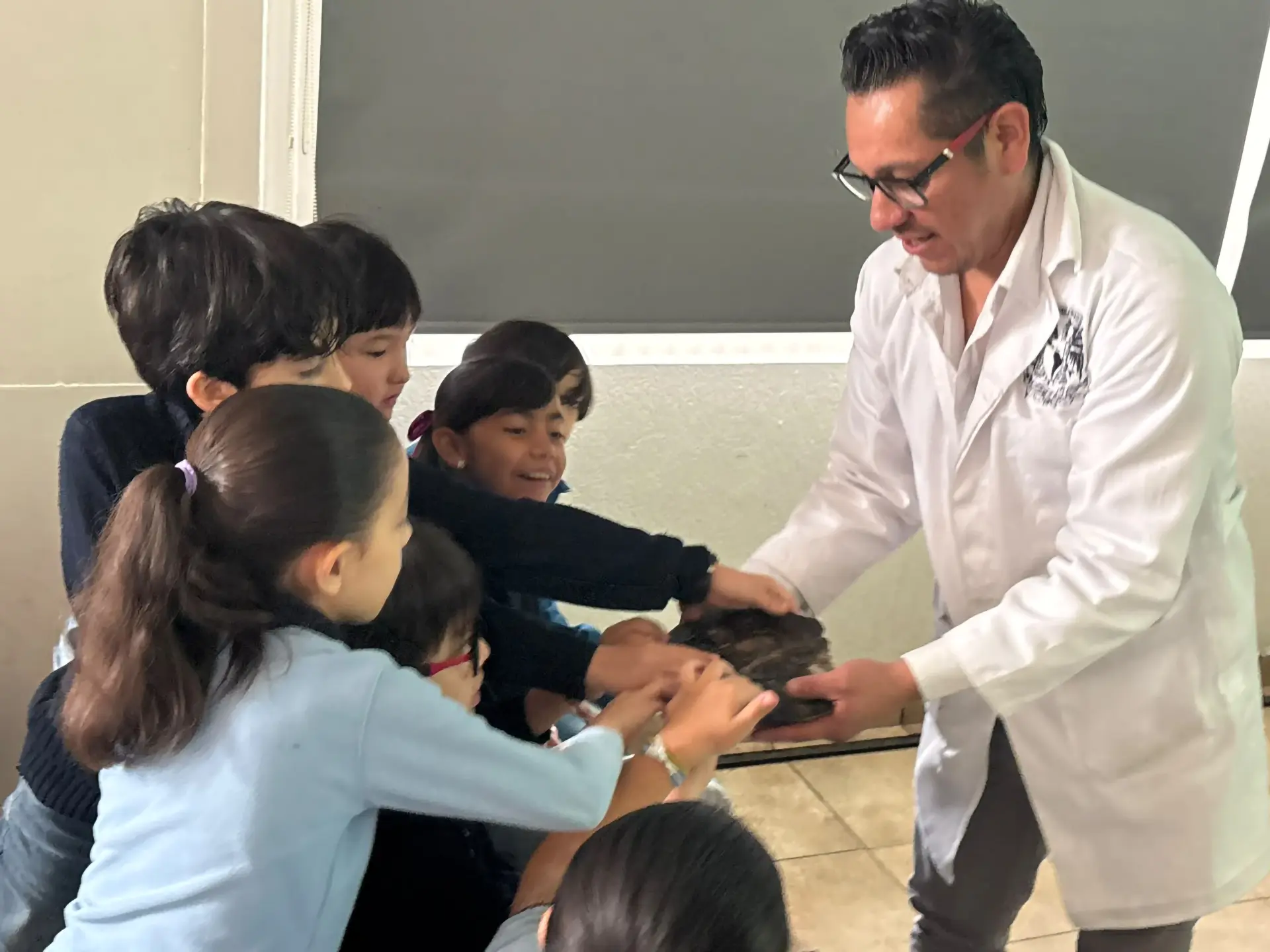
The greatest evidence of this learning appeared during our Extinct Animals Project. Students worked in collaborative teams to prepare an interactive exhibition for older students. Each team selected a leader who coordinated the group's work by organizing materials, assigning responsibilities, encouraging communication and making sure everyone contributed to the final product.
By the end of the project, students naturally accepted and respected leadership as a collaborative role rather than an authoritative one. Although occasional conflicts arose when students tried to complete tasks assigned to others, these situations became valuable opportunities to reinforce communication, responsibility and teamwork.
The project demonstrated that students had moved from simply understanding leadership as a concept to applying it successfully in an authentic learning experience.

Weekly Skills Builder lessons remained focused on developing one specific essential skill: Leadership.
Activities helped students understand that leadership is much more than giving instructions. They learned to listen actively to everyone's ideas, identify how their teammates were feeling about different ideas, and express their own opinions and feelings in a respectful and assertive way to maintain positive relationships within the team.
Students also explored how effective leaders plan before acting. Together, they learned to identify the resources they would need, make a checklist of materials, consider the time available to complete a task, and assign responsibilities according to each team member's strengths and abilities rather than randomly.
This focused approach gave students practical leadership strategies that they were later able to apply during their collaborative project.

The greatest opportunity to practise came during the planning and preparation of our project exhibition. Before beginning their work, each team created a list of all the resources they would need, discussed the time available to complete the project, and divided responsibilities according to each student's skills and interests.
Students also practised listening to different opinions, checking how teammates felt about decisions, communicating disagreements respectfully and supporting one another throughout the preparation process. Although some conflicts naturally appeared, these situations became valuable opportunities to practise assertive communication and collaborative problem-solving while maintaining positive relationships within the team.

Our Extinct Animals Project became the authentic context where leadership came to life.
Students designed interactive learning stations based on their research about extinct animals. Each team selected a leader who guided the planning process by helping the group identify the materials they would need, organise their available time and assign tasks according to each member's individual strengths.
Rather than directing the team, leaders became facilitators who helped the group stay organised, solve problems together and achieve a shared goal. This authentic experience allowed students to demonstrate that leadership is based on planning, communication, empathy and collaboration.
This year marked our Grade 3 students' first experience with the Skills Builder programme, and it demonstrated how effectively young learners can understand and apply essential skills when they are taught explicitly and practised consistently.
Our next step is to continue strengthening the programme across the school so that students have ongoing opportunities to develop each essential skill throughout their educational journey. As they become more familiar with the Skills Builder framework, we believe these skills will become a natural part of their daily learning, relationships and decision-making.
Our long-term goal is to build a school community where essential skills are embedded across all learning experiences, supporting the student profile our school aims to develop: confident, collaborative, responsible and resilient learners who are prepared to face future academic and personal challenges.