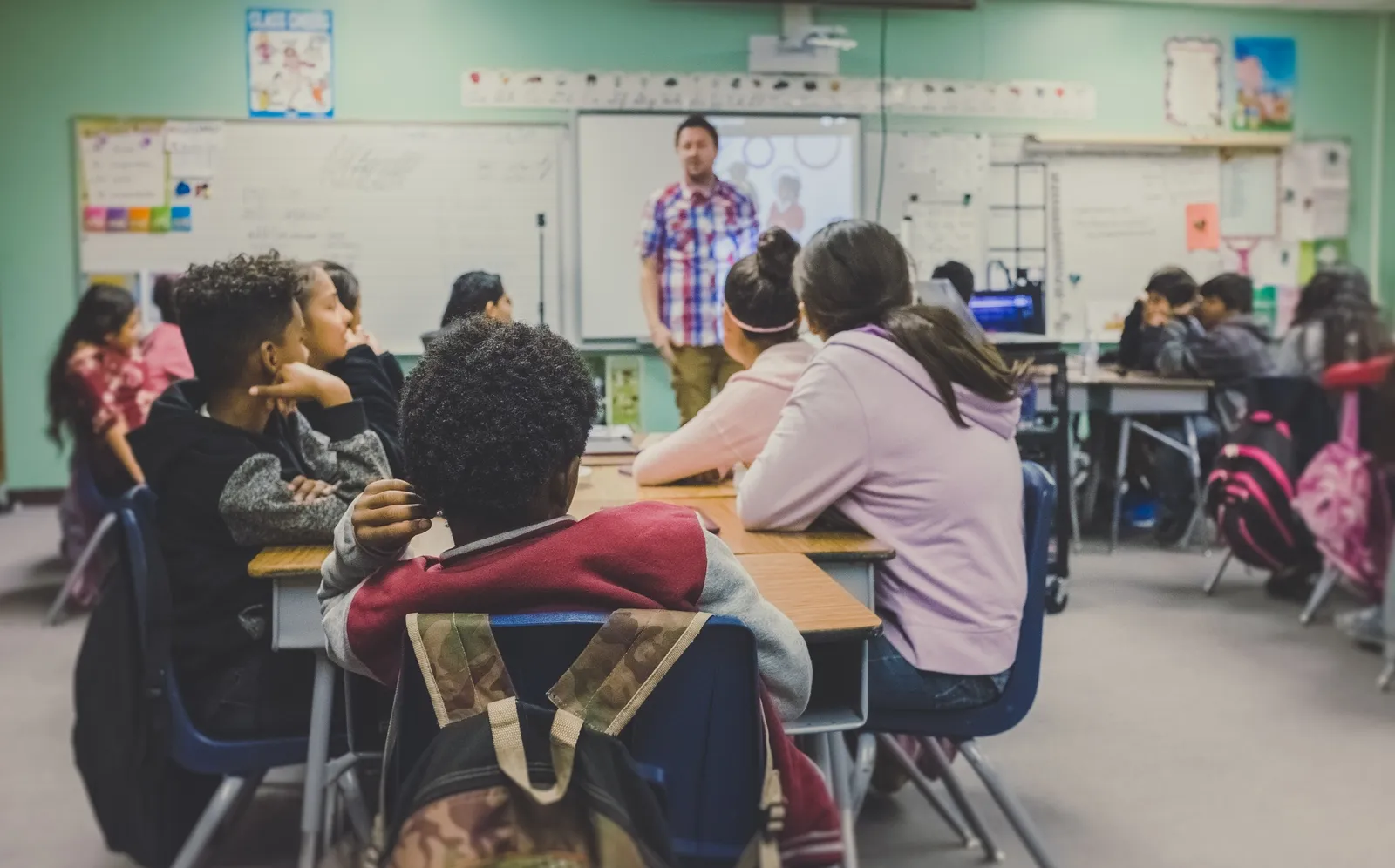
We are a modern elementary and nursery school in Hovorčovice, north of Prague. We educate children from preschool age until the end of compulsory education, fulfilling our vision of "Learning through experience – growing together."
The elementary school is attended by 378 pupils across 18 classes, while the nursery school has 97 children in five classes. In our teaching, we use innovative approaches such as the Hejný method of mathematics, project-based and inquiry-based learning, formative assessment, and the development of reading literacy, critical thinking, and active learning. At the same time, we support the development of digital and soft skills, creativity, cooperation, and independence.
The school is involved in the international Erasmus+ and Skills Builder projects, which support international school collaboration and the development of key soft skills needed for life and future career opportunities.
An important part of our school culture is attention to the well-being of both pupils and staff, a safe and respectful environment, and active cooperation with parents and the local community.
We joined the Skills Builder project in a pilot regime back in 2020. Since then, we have created a system in which the development of soft skills is systematically integrated into teaching, homeroom lessons, school life, and project activities. The Skills Builder methodology serves as a shared framework for planning, monitoring, and evaluating pupils' progress in key soft skills. Thanks to long-term work with the Skills Builder methodology, the school earned a Bronze Award.

The development of soft skills is a natural part of school life. The language of skills is used by both teaching and non-teaching staff, becoming a regular part of communication between pupils and teachers. Skills are developed across subjects through homeroom lessons, project days, school announcements, notice boards, or activities focused on the "skill of the month."

Pupils are given opportunities to apply their skills outside of regular instruction. This includes project days, collaboration with external professionals, international Erasmus+ projects, community events, school council activities, and prevention programs. For instance, during the school anniversary celebrations, pupils were in charge of thematic stalls focused on individual Skills Builder skills. They prepared activities for classmates, parents, and school partners, demonstrating why each skill is important and how we develop it at school. In practice, they actively applied skills in communication, teamwork, leadership, problem solving, and planning. Thanks to these experiences, they better understand the value of these competencies for their personal lives and future careers.
In the coming years, we will continue to develop our systematic work with the Skills Builder methodology across the whole school. We will focus on deeper integration of skill development into the newly prepared school curriculum so that Skills Builder competencies and steps naturally reflect in lesson planning across all educational areas. At the same time, we want to place greater emphasis on reflection and self-assessment for pupils, designing more opportunities for them to demonstrate and build their skills in real-life situations. We will also focus particularly on the targeted development of skills that our pupils and teachers consider most critical for future study and life—namely communication, teamwork, leadership, and problem solving.