Print
Return to Showcase
Visit website

ZÁKLADNÍ ŠKOLA MOLEKULA

This content was written by
ZÁKLADNÍ ŠKOLA MOLEKULA
Context
Molekula Primary School is a small school with a friendly and fair approach, where learning takes place naturally and without pressure on performance. You won't find homework, traditional grades, report cards, or unnecessary stress here, which creates a natural and safe environment for genuine formative assessment and self-evaluation of children. Our motto is „The journey is the destination“ because we believe that the process of discovery and learning itself is far more valuable than its final result. We have always worked with soft skills within our principles, such as cooperation and responsibility, but the Skills Builder methodology provides us with a great framework that gives these activities a clear structure and a common language for teachers, pupils, and parents.
Overall impact
The main benefit is raising awareness and unifying terminology. Pupils and teachers now perceive much better which specific skill they are currently developing and why it is important to them. Skills thus gain appropriate importance and weight in the eyes of everyone involved—they are no longer just abstract concepts, but concrete tools for life that strengthen children's intrinsic motivation to learn.
Principle 1: Align
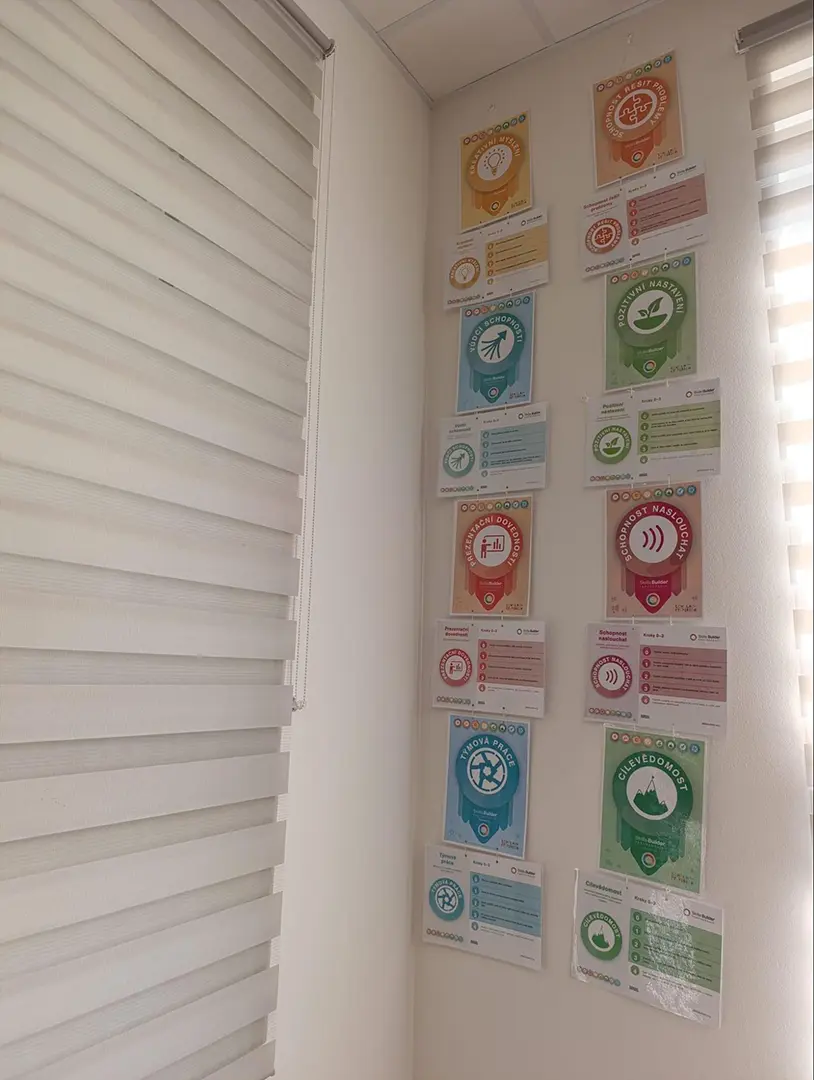
To maintain a clear focus, we stick to the rule of one skill per month. This skill is visually present through printed logos in every classroom and in the school corridors. We regularly inform the community about the current focus and specific tips on how to develop the skill through messages, the school radio, the information board, and also at regular school assemblies, which we organize separately for children and separately for parents.
Principle 2: Plan
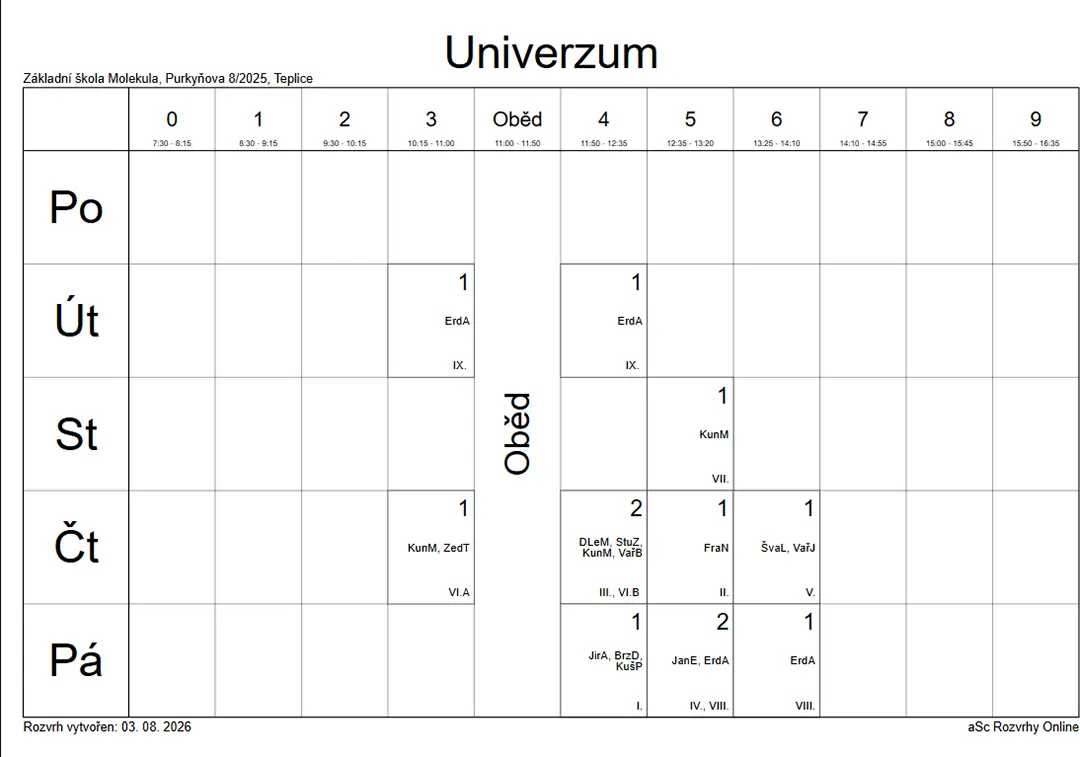
At Molekula, we view the development of soft skills as a long-distance run, not a one-off project. Therefore, the Skills Builder methodology permeates the entire school, from the preparatory class to the ninth grade (0–9). We believe that for teaching to be truly effective, consistent attention must be paid to these skills, with the same importance we attach to reading or mathematical literacy. We use the subject 'Universe' in the timetable, which takes place across grades for one hour per week and serves, among other things, to targetedly introduce and share these skills. By starting with the youngest, we create a solid foundation on which pupils build throughout their schooling. Perseverance in this approach allows us to observe how children's skills deepen and become a natural part of their personality.
Principle 3: Measure
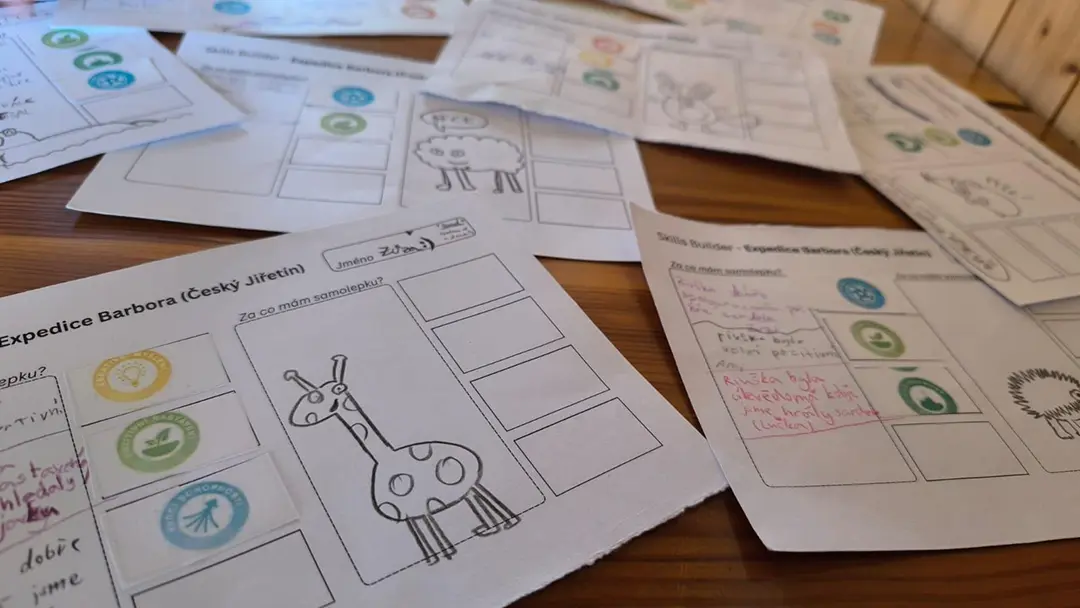
Tracking progress adapts to the individuality of the teacher and the needs of the pupils. In the primary stage, skills are easier to monitor because pupils spend most of their time with one class teacher who has a comprehensive overview of their individual development. In the lower secondary stage, awareness of progress occurs gradually and more across subjects, which is why we actively coordinate teachers here and are newly involving teaching assistants in tracking development. The methodology allows us to work with pupils' self-assessment and provide them with targeted feedback, whether orally in classes, during tripartite meetings with parents, and recently we have also begun to partially reflect progress in these skills in the written evaluation on report cards. Thanks to this monitoring, we see where individual pupils are moving on their 'journey,' which gives both us and them clear proof of their growth and motivation for further steps.
Principle 4: Teach
Not only in primary classes do we try to actively name the steps—for example, when focusing on the step 'listening to others without interrupting,' children know exactly what they are working on, achieve a sense of success more often, and better understand their own progress. Moreover, this approach makes it significantly easier for teachers to plan activities that directly target the given step.
Principle 5: Practise
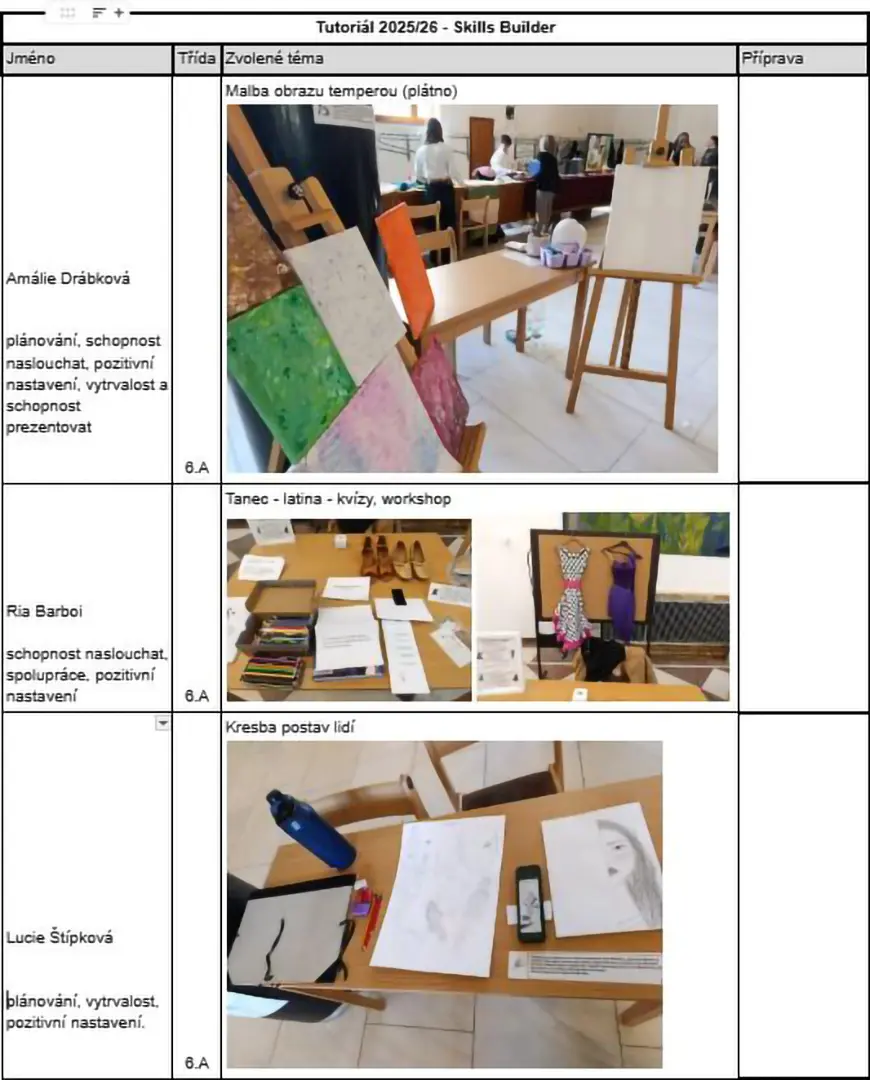
Skills live here even outside regular lessons. A large space for consolidating them is offered by our tutorials, i.e., year-round projects during which a mentor discusses with the pupil where they managed to apply the given skill and where they see room for further growth. We further develop skills through school events, inquiry-based learning, or involvement in the DofE (Duke of Edinburgh) scheme, where pupils must demonstrate perseverance and planning skills.
Principle 6: Apply
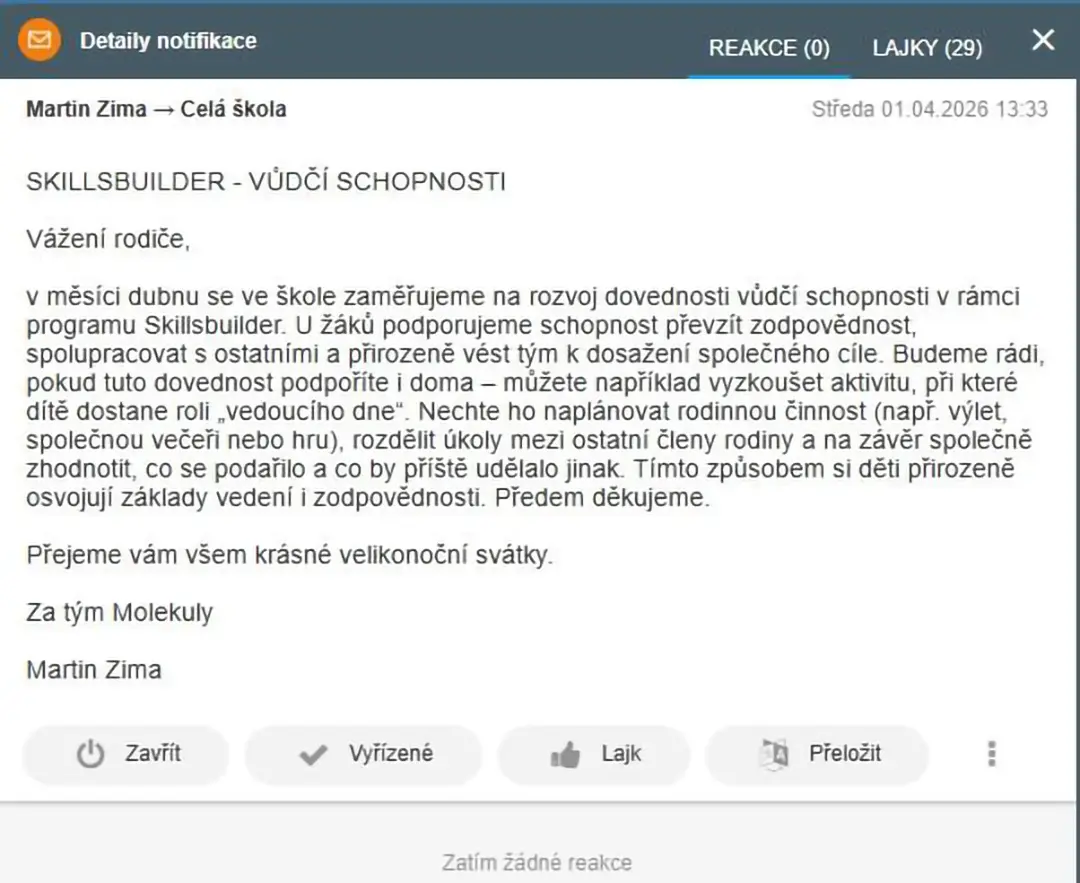
Partnership with the family is key for us. Every month we send parents information about the skill currently being practiced along with a suggestion for a short 'at home' activity. In this way, skills are naturally transferred from school to the family environment, helping children understand their universal use in real life.
What's next
Czechia