This content was written by
Základní škola Ústí nad Orlicí, Komenského
Elementary School Ústí nad Orlicí, Komenského 11 is a full-fledged primary and lower secondary school with approximately 400 pupils. An integral part of the school is also the after-school club, which actively participates in the development of children outside of regular classes. Our goal is to create a stimulating and safe environment in which children acquire not only a quality education, but also the skills needed for everyday life. We lead them towards responsibility, cooperation, independence, and mutual respect, and support them in thinking critically about their learning and own behavior. We believe that these very competencies help them succeed not only at school, but also in their future lives. In the 2025/2026 school year, our school joined the Skills Builder program. Both school levels (primary and lower secondary) as well as the after-school club actively participated in its implementation. We were guided through the entire process by a team of five trained leaders who supported their colleagues in integrating the methodology into the daily life of the school. The development of soft skills is an integral part of our educational process and forms one of the core values on which we build. Therefore, we joined the program not to change our direction, but to give it a common language, a clear structure, and effective tools for its further development. The Skills Builder methodology allowed us to better define and systematically develop what has long been part of our school culture. It provided teachers with clear objectives as well as new opportunities for meaningful feedback and assessment. Soft skills have thus become a natural part of daily communication and have gradually influenced relationships, collaboration, and the overall school atmosphere. We are convinced that the ability to cooperate, listen, take responsibility, and overcome obstacles with perseverance forms a solid foundation for a successful and fulfilling life. That is why we consider the development of these skills to be one of the most important tasks of contemporary education, and we observe how their growth is reflected in the progress and success of every one of our pupils.
We joined the Skills Builder Accelerator project in September 2025. Since then, we have been gradually introducing the methodology into teaching, so far on a voluntary basis among teachers. The entire teaching staff underwent training, and key teachers provide methodological support to their colleagues so that Skills Builder principles become a natural part of school life. The Skills Builder methodology contributed to unifying the way pedagogical staff speak about competency development. At the same time, it helps shift the perspective on education – alongside transferring knowledge, we also purposefully focus on developing soft skills that are important for success at school and in everyday life. At school, we plan teaching with regard to the systematic development of these skills. We guide pupils toward self-reflection, cooperation, responsibility, and awareness of their own progress. We develop skills across subjects, during project days, and during school events. We plan them in monthly cycles, visualize them in classrooms, and regularly reflect on their development at joint methodological meetings. After the first year of working with the methodology, we can say that it has met our expectations. It brought educators greater systematicity, a clear structure, and a common language for soft skills development. For pupils, on the other hand, it helped them better understand what is expected of them in various situations and take greater responsibility for their own learning and behavior. We consider the greatest benefit to be the fact that the skills did not remain merely part of prepared activities, but gradually became a natural element of everyday school life. The common language is now used by teachers, after-school club educators, and the pupils themselves. Children are able to name individual skills, consciously use them when handling everyday situations, reflect on their progress, provide mutual feedback, and speak more openly about their feelings. This experience has reassured us that systematic soft skills development brings genuine benefits to children and positively affects the climate of the entire school.

From the beginning, we strived to ensure that Skills Builder would not become just another separate project, but a natural part of school life. Skills are visible on notice boards, magnetic panels, and in the school foyer. Each month, we focused on one selected skill that permeated instruction in both primary and lower secondary classes as well as activities in the after-school club.
At the beginning of the month, the topic was introduced by individual leaders to other teachers during staff meetings. Classroom posters were handed out to all homeroom teachers, which they put up together with their students, and at the same time, each skill was stored on a shared Google Drive where all supporting materials and individual activities are located. The skills were presented to the children by their homeroom teachers in personal and social education lessons, and other educators worked with them in individual subject classes according to their capabilities. In primary school, further activities were intertwined into the afternoon within the after-school club. Children thus encountered the same terms throughout the day and gradually began using them naturally in everyday situations.

In the pilot year, we included both school levels, the after-school club, and one of the leaders working as a special educator used the methodology during individual lessons with pupils with special educational needs. We presented the method during the preparatory week at a joint
"off-site retreat" to all teachers and teaching assistants. At the beginning of the school year, legal guardians were also introduced to the methodology during joint parent-teacher meetings and through the principal's blog notes. Coordination was led by five trained leaders who supported their colleagues in applying the methodology to daily practice. We did not force teachers to use the methodology, but offered them support. We shared simple activities. Soft skills were developed not only during regular class hours, but also during project days, homeroom periods, joint school events, and afternoon activities in the after-school club. Thanks to this, children perceived skill development as a natural part of school life.
In the initial period, we focused on a single skill: Listening. The main goal was to build upon methods that teachers already routinely use in their instruction. We aimed to ensure that skill development was not perceived as something extra, but rather became a natural component of daily school activities – we want to learn to recognize these skills, reflect on them, and purposefully plan their development within regular classes.

We are not yet unified in applying this principle. In primary school, each homeroom teacher mapped their class's level. Pupils' progress was evaluated verbally, pupils self-assessed using various smileys, stickers, or as part of a classroom game, and peer feedback in community circles was also utilized. Some teachers created assessment cards for pupils to record their progress. Soft skills assessment is also part of Triad meetings, where individual pupil progress is reflected upon with parents/guardians and pupils. In the after-school club, progress in individual groups was monitored regularly in a standardized manner. Every month, each educator recorded the skill level of her group, set further goals, and planned next steps so that children's development matched their current needs and took place systematically throughout the school year. In lower secondary school, we emphasized self-reflection and feedback with the students. Students learned to evaluate their own progress, identify their strengths, and pinpoint areas they want to work on further. Evaluation was carried out across all classes using created charts; at the end of the school year, teachers and students recorded progress in a balance wheel. Over time, we observed that children are able to talk more openly about their feelings, accept feedback from peers and teachers better, and offer constructive feedback to others. For educators, tracking progress has become an important tool when planning future activities.

At the beginning of each month, a staff meeting was held where leaders presented a new skill. Over the course of the school year, we covered all of them. Educators selected activities appropriate to the age of the pupils and the needs of individual class groups. Thanks to step-by-step progression, children better understood what a specific skill means, how it manifests in daily life, and how they can further build their progress. In the after-school club, at the beginning of each week, they targeted one selected skill and its specific step. Children first practiced it in their groups and then applied it during joint activities. They learned to listen to one another, communicate openly, cooperate, assign roles, plan workflow together, explore different
solutions, think creatively, take responsibility for their task, and offer support to others. Final reflections were also included, helping them recognize their own progress and plan further development.

Regular practice took place across the entire school, particularly in personal and social education lessons. In primary school, all teachers incorporated soft skills into regular classes, while in lower secondary school, only some teachers worked with the Skills Builder methodology in regular classes so far. The methodology was also used by the special educator during individual lessons with pupils with special educational needs. Joint gatherings of all after-school club groups proved to be a great asset, bringing together children from 1st to 5th grades during shared events. This natural intergenerational learning significantly supported the growth of mutual respect, cooperation, communication, and responsibility. Soft skills development became part of the school's daily routine. Gradually, we realized that there is no need to create new activities solely for Skills Builder. It is far more important to name the skills children are currently using, revisit them, and reflect on them together. Regularity itself proved to be one of the greatest benefits of the methodology.
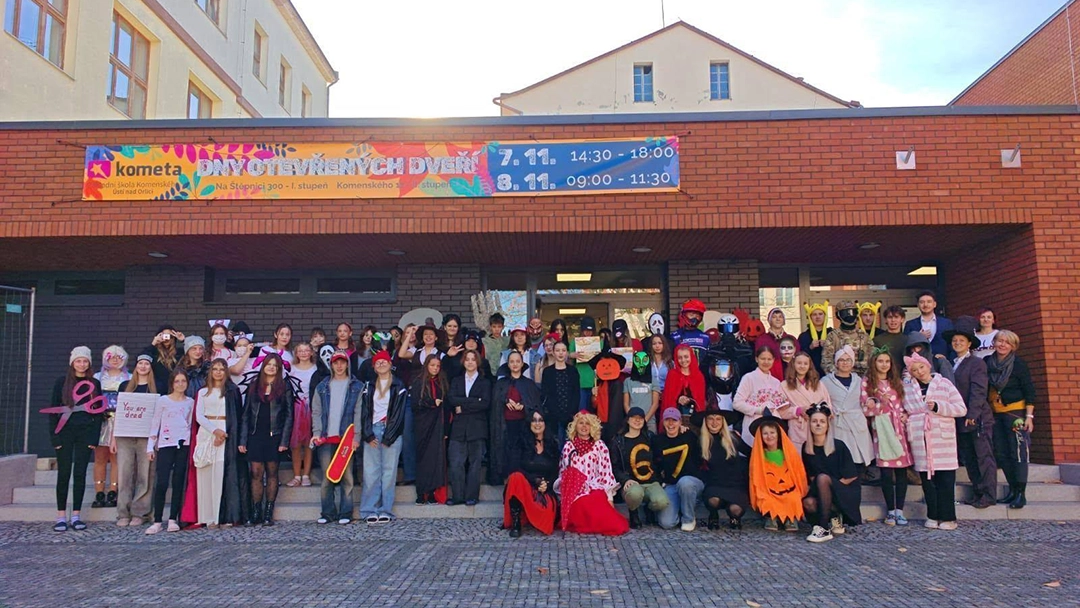
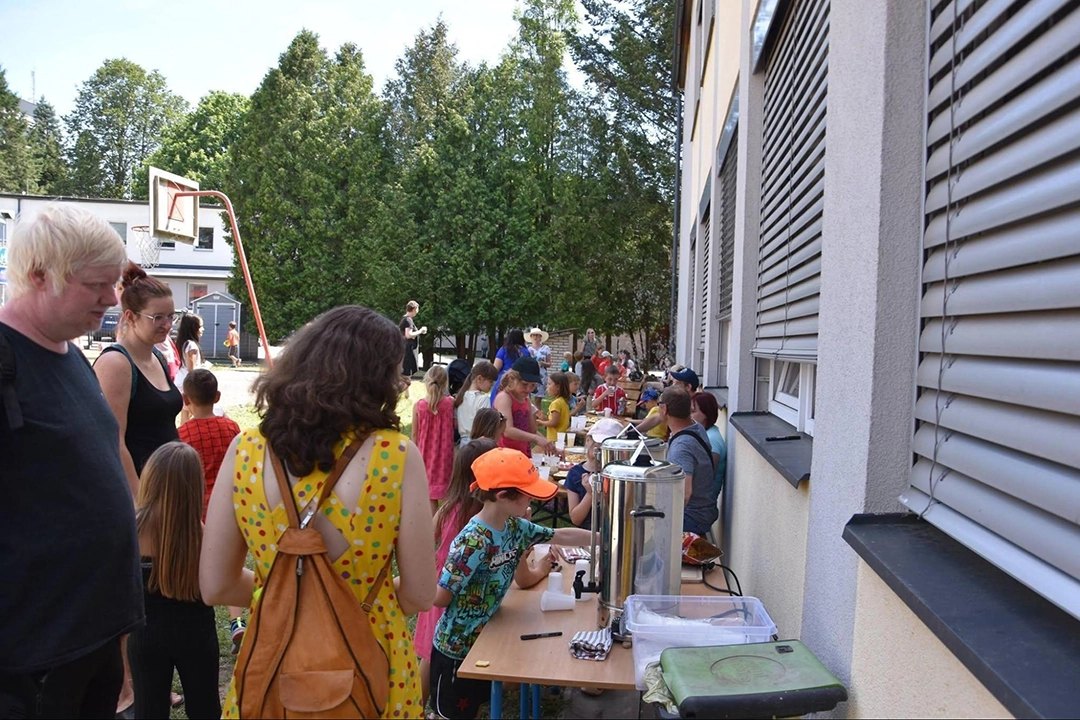
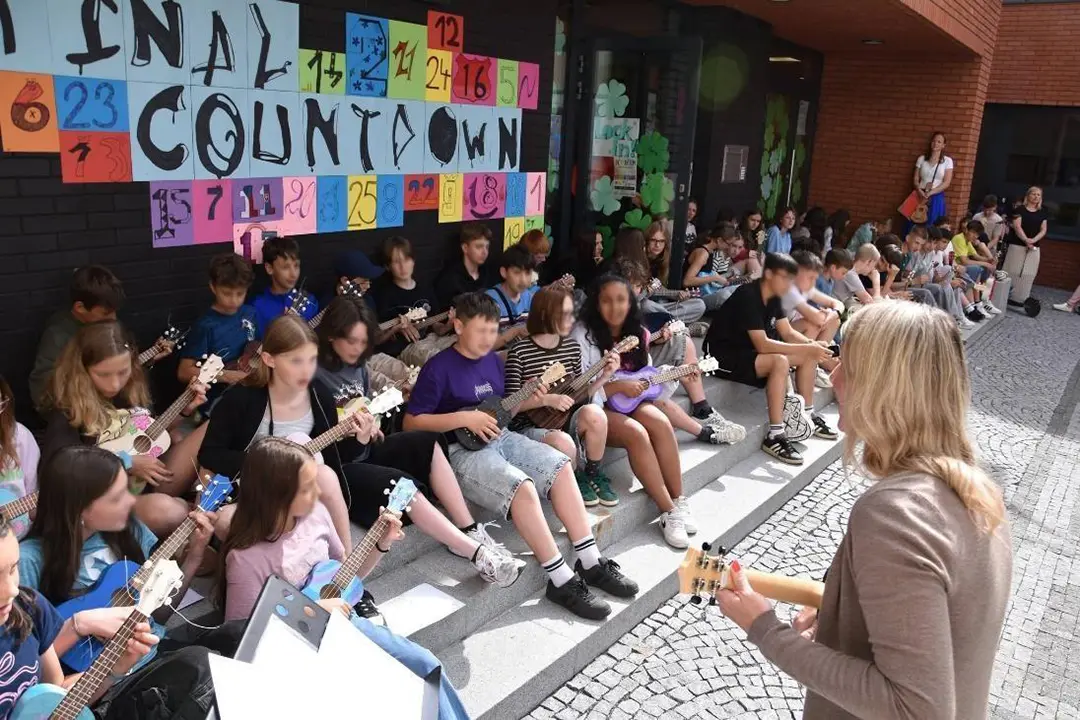
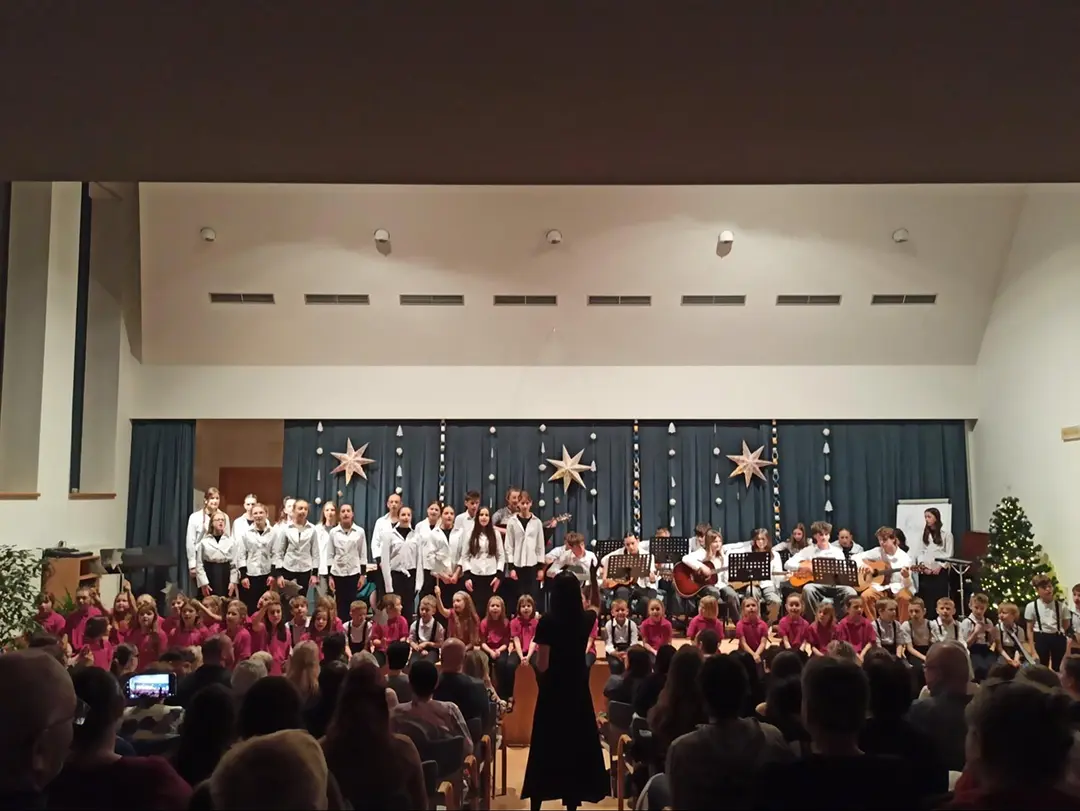
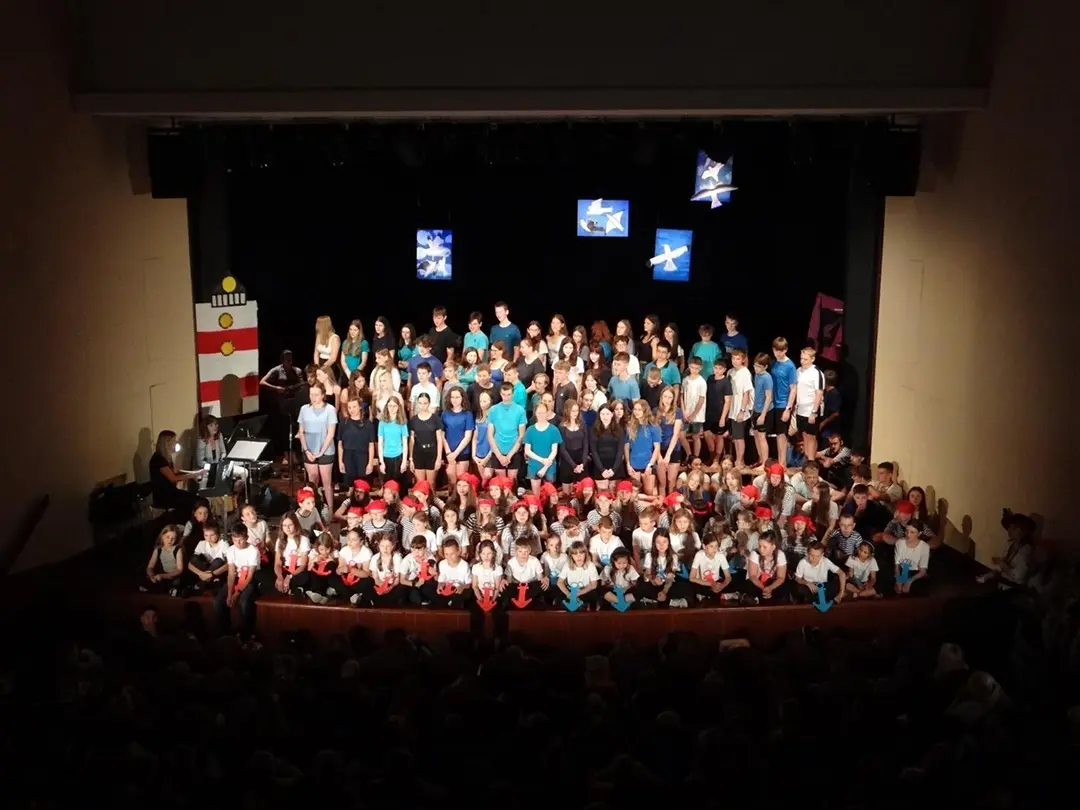
Pupils applied soft skills outside regular classes during open house days, the Christmas fair, ukulele and guitar concerts, and school choir performances. Pupils also visit the local retirement home and various events organized by the town of Ústí nad Orlicí. At the beginning of the school year, the after-school club gathers for the Trail of Lights, where children complete tasks together with their parents, with the Garden Festival serving as a symbolic conclusion of their joint work. The school also organizes various project days and field trips. All these events provide opportunities for pupils to develop presentation skills, communication, teamwork, leadership, problem solving and aiming high. They learn to perform in public, reach agreements, accept responsibility for assigned tasks, react to unexpected situations, and contribute together to the successful execution of events.
In the upcoming period, we want to build upon the experience gained and continue the systematic rollout of the Skills Builder methodology across the entire school. One of our goals is to incorporate the principles of the Skills Builder methodology into the new school curriculum so that they naturally permeate regular instruction. We want to engage even more teachers in actively using the methodology, focus on sharing examples of good practice, offer mutual support, and unify our approach to monitoring and recording pupils' soft skills development. Our goal is to be a school that not only systematically develops soft skills, but above all lives them daily. In line with our school motto “Now I know why,” we want children to understand the purpose of what they learn, consciously apply their skills in various life situations, and be prepared to succeed not only in school, but also in everyday life.