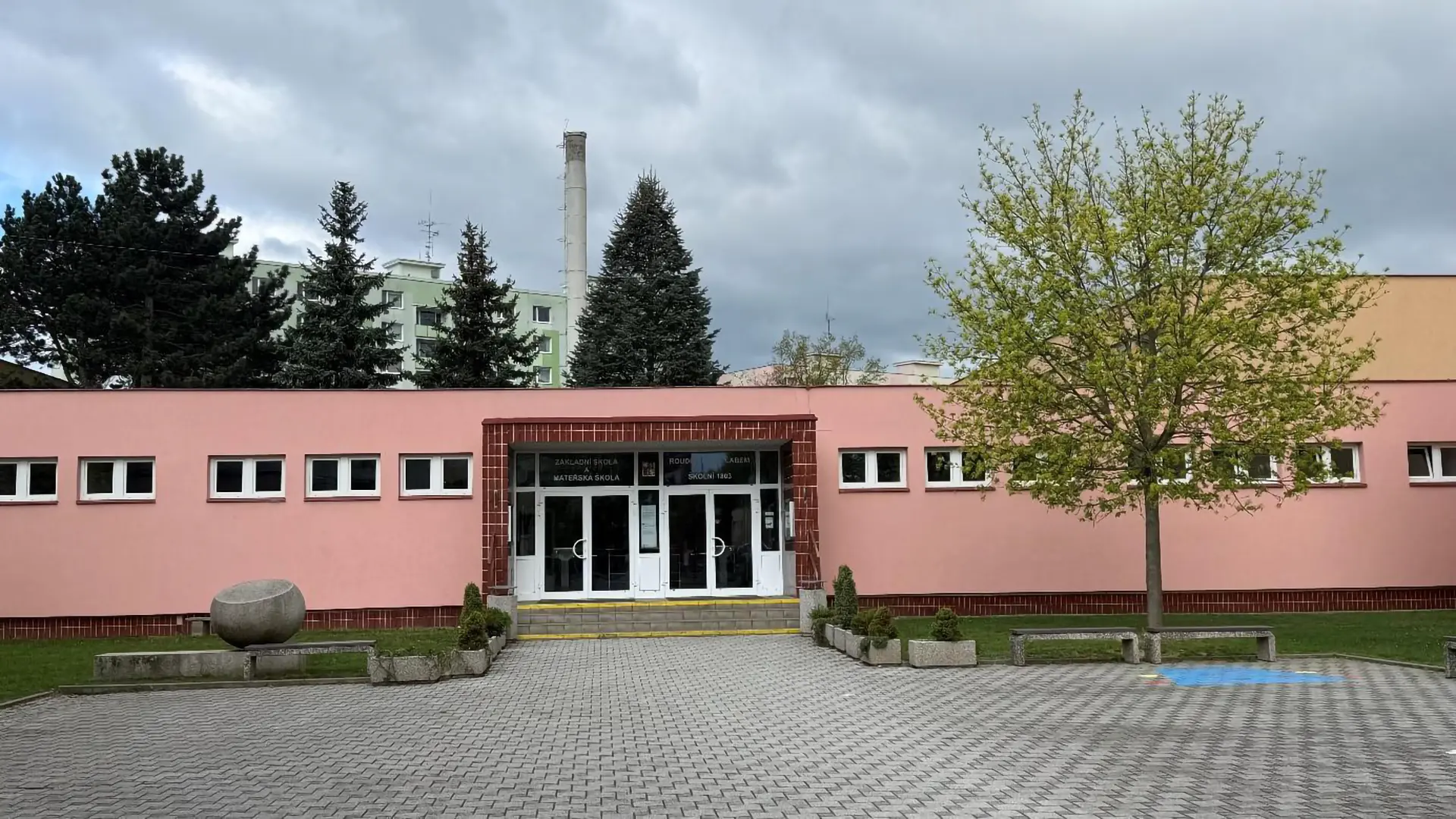
Our school is located in the Hracholusky housing estate in Roudnice and consists of a complex of seven buildings. The school includes primary and lower secondary school (grades 1–9), a preparatory class, and two kindergarten departments with a capacity of 56 children. In the 2025/2026 school year, it is attended by 538 pupils in 25 core classes (primary/lower secondary). A school after-school club with a capacity of 210 places and a modern, fully-equipped school canteen are also available.
The school is equipped with specialized classrooms for foreign languages, physics, biology, geography, chemistry, music education, computer science, polytechnics, an art and ceramics workshop, a workshop for practical work, a kitchen, and two gyms. Teaching at the school in all grades follows an innovative school curriculum. We place great emphasis on teaching foreign languages (English from the 1st grade, German and Russian from the 8th grade) and computer science (from the 4th grade).
Since 2000, our students have had the opportunity to influence school life through the school parliament. It organizes various events for classmates, addresses feedback and suggestions from students to improve school operations, and helps foster students' shared responsibility for the school environment. In 2025, we joined the Skills Builder Accelerator program to give students the opportunity to develop soft skills that are important for life and their future careers.
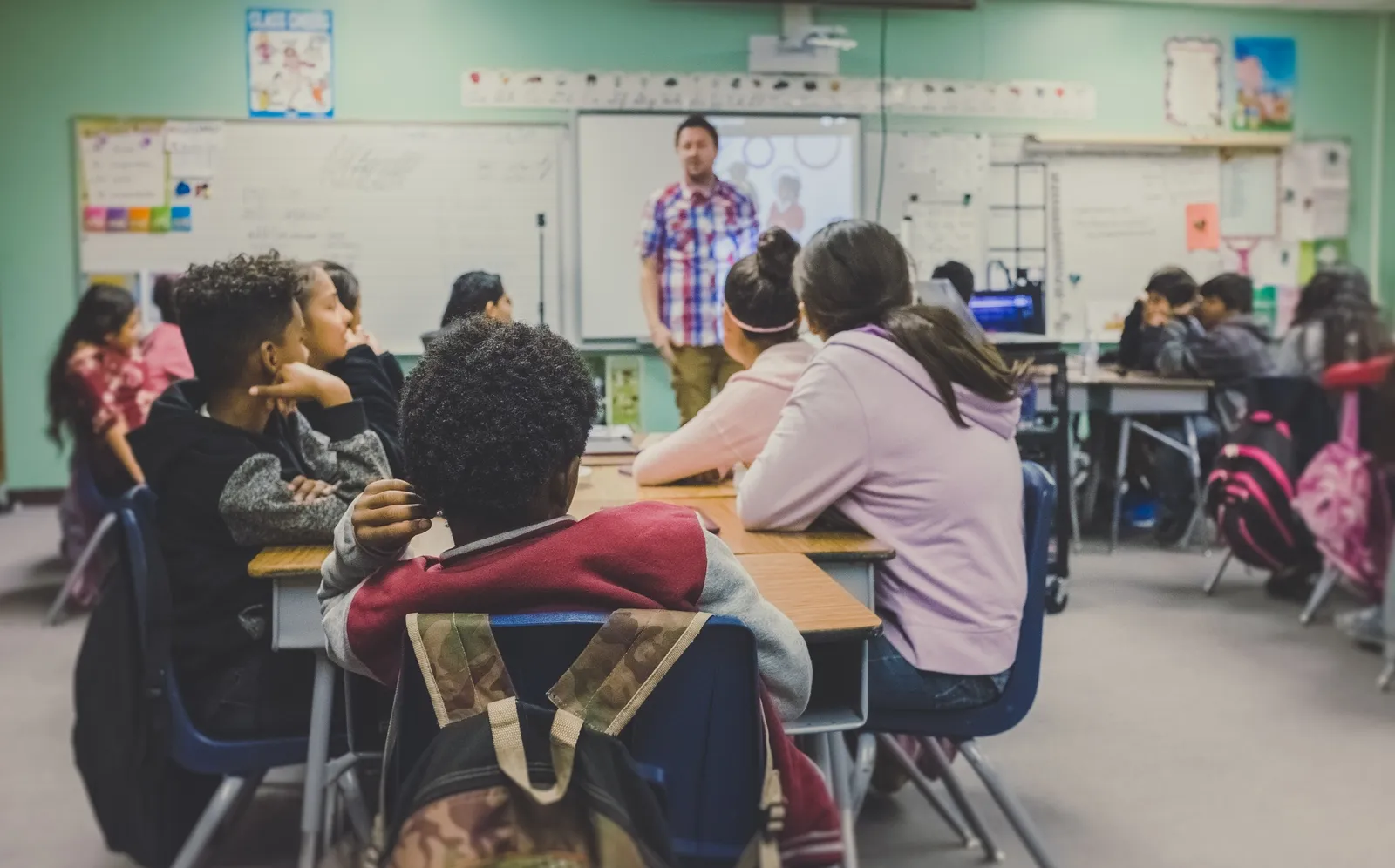
The methodology has brought, above all, a clear and, most importantly, common language to our school. Students know more precisely what we as teachers expect from them, and we give them clear guidance on how to achieve it. Today, when we say "now we are practicing listening", most students pay attention and know how to behave at that moment. When introducing the methodology, teachers were encouraged to use it according to their capacity and needs, and primarily on a voluntary basis. In the primary phase (1st stage), the methodology is used as needed across subjects; in the lower secondary phase (2nd stage), it is utilized primarily during homeroom hours and within individual subjects under the leadership of school leaders.

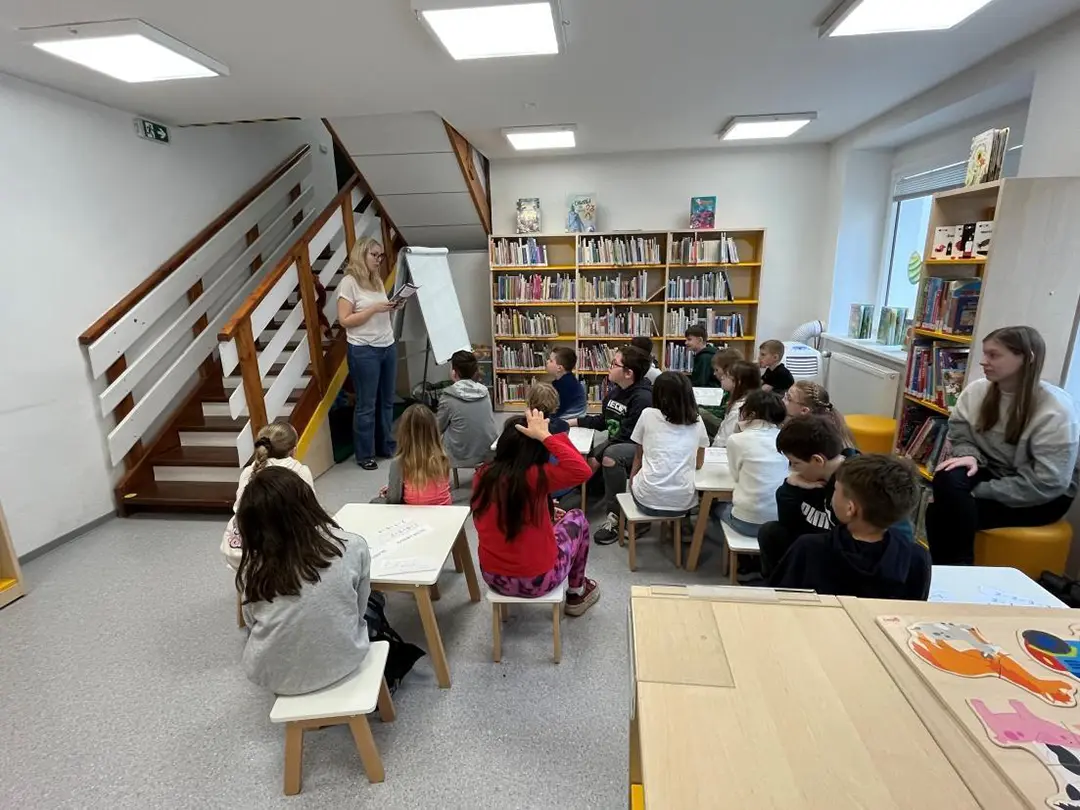
The skill steps and logos are clearly visible in the individual classrooms where the methodology is applied, as well as in the common areas of the school, so that anyone can become familiar with them. Unified icons immediately show students what is currently happening. Thanks to this, even the youngest children quickly understood what was expected of them. We decided not to rush and first thoroughly developed the first skill, Listening, which we consider highly important. In the second half of the year, most of us focus on the second skill: Presenting. We also brought simplicity into teaching itself. We started naming skills in activities that we already commonly do at school. It was enough to simply say: "Now I will tell you the instructions on how to paint a picture, and in doing so, you are practicing listening." This approach helped students understand that soft skills are not rocket science, but a natural part of their day.

We approached skill development with the understanding that the earlier we start, the more natural they will be for children. We begin developing skills as early as the preparatory class, where the absolute basics are practiced – for example, how to properly look at a friend when they are telling me something. It turned out that children have a huge capacity to absorb these principles if they are presented in the form of a game. For us, the key to success is persistence. This helped us overcome initial uncertainty. Because we did not give up and constantly return to these skills, they are slowly becoming a strong habit.

Instead of complex tables and numbers, we focused on letting students see and feel their own progress. Tracking progress at our school takes the form of regular reflection – at the end of an activity, we discuss together what went better than last time. It is highly motivating for children when they can name it themselves: "Today, during teamwork, I managed to listen until the end, even though I wanted to speak first." Self-assessment has become an important tool for us. Using simple visual aids such as numerical scales, colors, or emoticons, students record where they currently stand on the journey toward a given skill.

Following an agreement with our coordinator, we focused on the Listening skill in the first semester. In the second semester, we added the Presenting skill. To select activities, we used the Skills Builder website, artificial intelligence, and proven games and ideas from homeroom hours. We record the fulfillment of goals on a shared school drive, which allows for both systematization and inspiration for others.
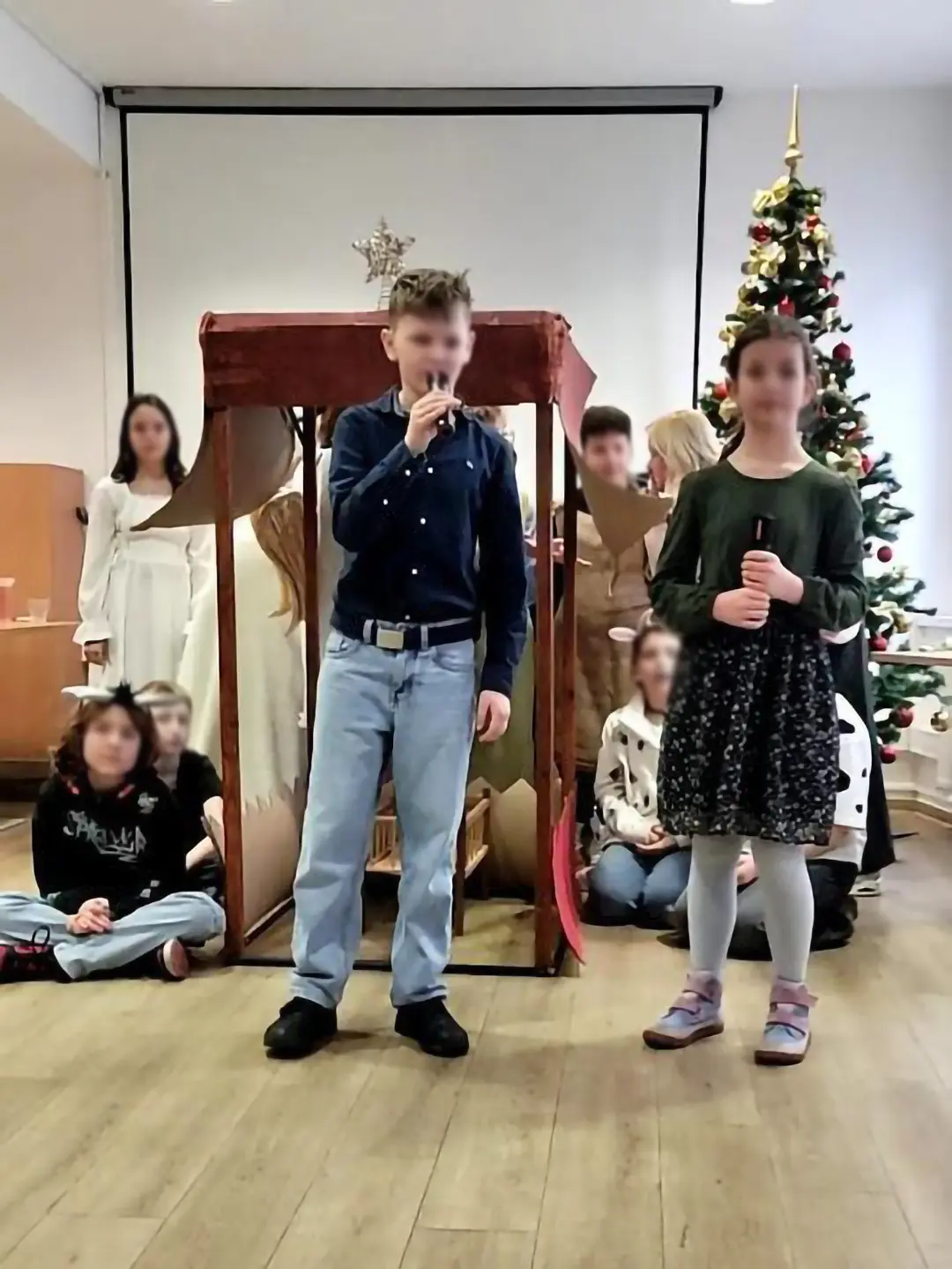
Soft skills are demonstrated during project days, field trips, and various performances. Notable events organized by the school parliament include Halloween and St. Nicholas celebrations. During the Open House day, students guide visitors around the school or perform in singing or drama shows. Teachers' Day, where children tried out the roles of teachers, was a huge success. During field trips and excursions, children are guided to independently plan and gather information.
In the next school year, we plan to build on our achievements so far and deepen the Skills Builder methodology even further in our school. Our main goal is to fully introduce all eight skills so that students gain a comprehensive overview and can combine them naturally. We want even more teachers to get involved in developing these abilities, ensuring that the principles of the methodology become a permanent part of every subject across the entire school. We will also dedicate more space to project days. These have proven successful because they allow students to test their creativity, leadership, or problem-solving skills in practice and real-life situations. At the same time, we want to focus on more systematic tracking of student progress. Our intention is to provide students with clear and regular feedback on how they are advancing in individual skills, thereby helping them build healthy self-confidence and readiness for future challenges.