
Arts & Culture
.svg)
Careers & Employability

Criminal Justice

Curriculum Support

Employer Outreach

Outdoors & Adventure

Parents & Community

Science, Technology, Engineering & Maths

Inclusion

Sports

University Access

Volunteering & Social Action

Youth Provision

The Community Edible Wall
Locations
United Kingdom
International (available everywhere)
Austria
Czechia
Bhutan
Bahrain
Bangladesh
Cameroon
Colombia
Congo (Democratic Republic)
France
Honduras
India
Japan
Nicaragua
Guatemala
Uganda
South Africa
Sri Lanka
Rwanda
Portugal
Netherlands
Hungary
China
Australia
Canada
Egypt
Ireland
Nepal
New Zealand
Nigeria
Tanzania
United States
Argentina
Malaysia
Mauritius
Mozambique
Myanmar
Philippines
Lebanon
Suriname
Guyana
Trinidad and Tobago
Sierra Leone
Singapore
Côte d'Ivoire
Eswatini
Germany
Ghana
Kenya
Oman
Qatar
Pakistan
Togo
Zambia
Zimbabwe
Ages
0 - 4
4 - 7
7 - 11
11 -16
16 - 18
18 - 21
21 -25
25 - 30
30 - 35
35+
Delivery
Online
In person
Online & in person
Access
Online
In person
Through a school or college
Through an organisation
Independently / Self-serve





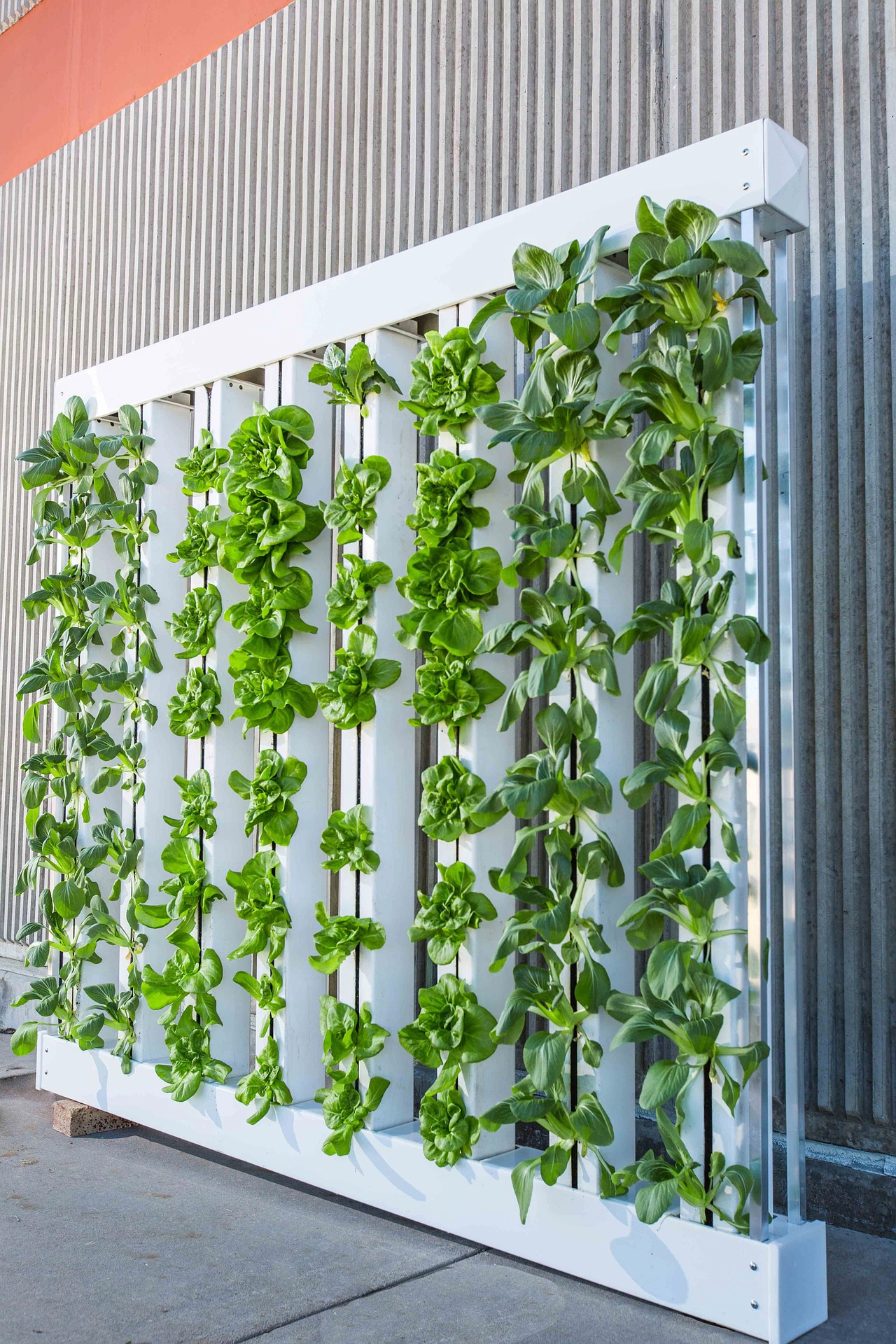
The Community Edible Wall project aims to deliver an accessible education programme for adults and families in the community using a sustainable hydroponic installation known as an edible wall. Participants attend workshops to develop the essential and technical skills required to grow food using the edible wall while learning about health, sustainability, and the green sector.
This project empowers participants to reflect on their core values, skill-sets, and to make steps towards positive change for their health and wellbeing. By the end of the programme participants are equipped with the knowledge to introduce others to sustainable food growing, to positively impact their communities, and to effectively communicate their skills.
Visit website
