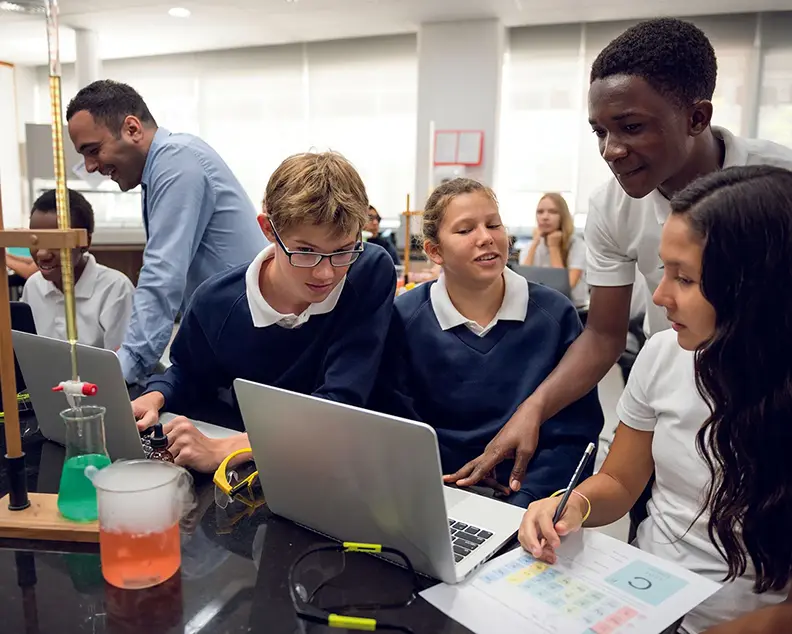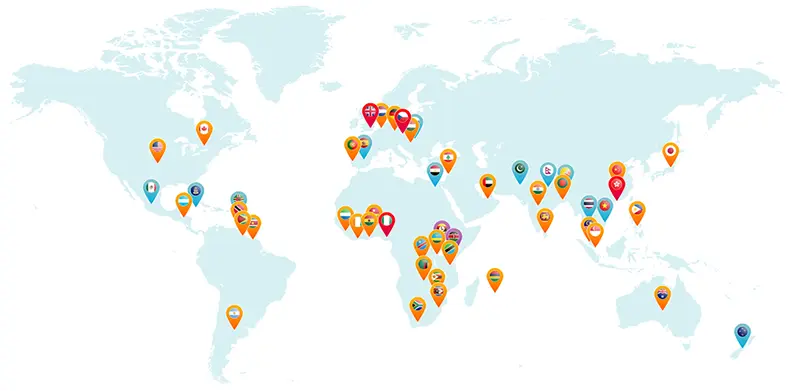

Every educator, employer, and individual knows that essential skills like Teamwork, Problem Solving, and Creativity are the non-negotiable foundations for success. Research confirms that building these skills boosts academic outcomes, increases employability, and enhances overall well-being.
But how do we ensure these skills stick? The answer lies in two core principles: starting as early as possible, and maintaining continuity all the way through education and beyond. Essential skills are not a one-off intervention; they are a lifelong journey.
Introducing the philosophy of "Start Young, Keep Going".
Why starting young matters
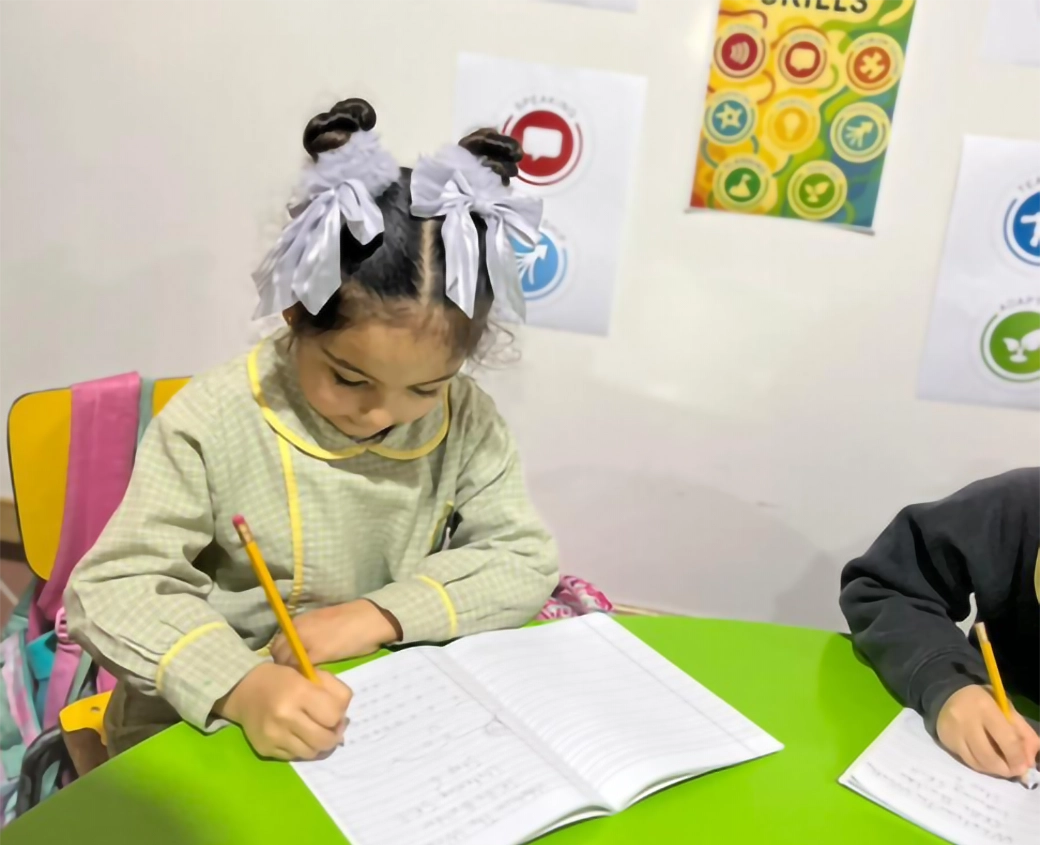
Differences in learners' essential skills open up incredibly early. On the very first days of school, there is often a stark contrast between learners who can confidently introduce themselves, adapt to new routines, and form friendships quickly, and those who struggle.
When we prioritise essential skills in the early years, we help address these imbalances before they widen. Learners who can listen effectively and articulate their ideas get far more out of class and share more with their peers. Starting early ensures that every child, regardless of their background, builds a strong foundation from day one.
Why we must keep going
%20with%20white%20fade%20on%20the%20bottom%20row.webp)
Essential skills are complex, and mastering them takes time. Under the Universal Framework, we anticipate that most learners will reach between Steps 8 and 12 during their time in school or college. This leaves plenty of room for continued growth, which is why development shouldn't stop at graduation.
Adult learners continue to benefit from mastering these skills across their careers. In fact, research shows that when individuals are given consistent opportunities to build these skills in the workplace, they keep progressing, earning more, and experiencing greater life satisfaction.
Putting it into practice
Educators, schools, and colleges that effectively build their learners' skills across all ages share a few key habits. Here is how you can replicate their success:
- Create a shared vision: Talk openly about your long-term aspirations for your learners' essential skills, establishing a shared objective across your entire institution.
- Take a step-by-step approach: Break your vision down into what learners should be able to do at each age or stage, using the Universal Framework as a roadmap of clear, sequential statements.
- Prioritise development: Set a clear expectation with educators, learners, parents, and carers that developing essential skills is a core part of a complete, high-quality education.
Unlock age-appropriate resources on the Hub
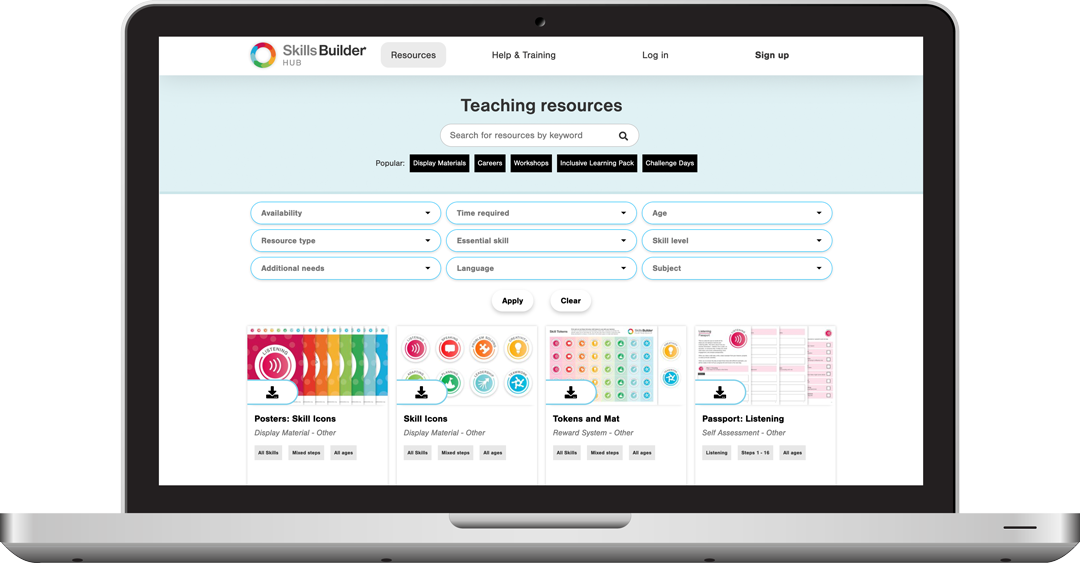
No matter the age of your learners, you don't have to start from scratch. The Skills Builder Hub is packed with tools designed to make skill-building engaging at every milestone. From interactive stories that introduce core concepts to the youngest learners, to advanced workshops and real-world challenges for older students, Hub provides everything you need to support an inclusive, lifelong skills journey.
Ready to cultivate lifelong skills?
Ensure your learners are equipped for the future by embedding essential skills into every stage of their growth.
Sign up for a free educator account on the Skills Builder Hub today to bring structured, step-by-step skill development to your entire institution.