
Nigeria stands at the center of Africa's demographic and technological growth. Possessing one of the youngest populations globally, Nigerian youth are demonstrating exceptional initiative in leveraging digital technologies. Across urban centers and rural communities, young people are adopting mobile-first generative AI tools to self-teach programming, digital marketing, and business strategy- frequently stepping around traditional structural limitations in formal educational systems.
However, self-taught digital usage alone cannot guarantee long-term economic mobility. To connect informal digital initiative with formal high-value employment, Nigeria is implementing a comprehensive national reform strategy.
National strategy & policy pivot: Nigeria introduced its landmark National Policy on Skills Development, initiating a decisive shift from traditional degree-based credentials toward a legally recognised, skills-first economic system.
Connecting digital infrastructure to teachable skills
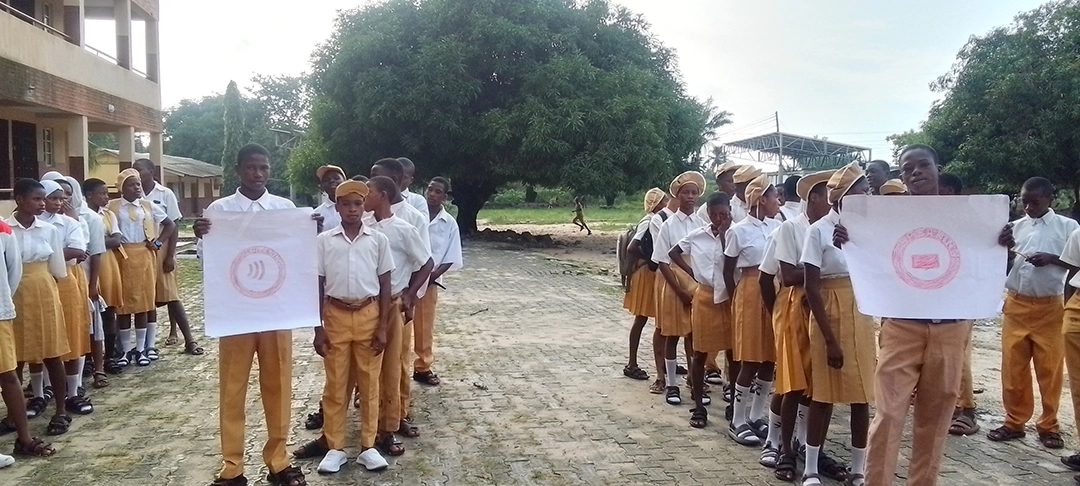
The Nigerian government is uniting digital connectivity expansion with systematic human capability development. Public secondary schools and vocational institutes are being connected to national broadband infrastructure while concurrently embedding structured, teachable essential skills into standard state curricula.
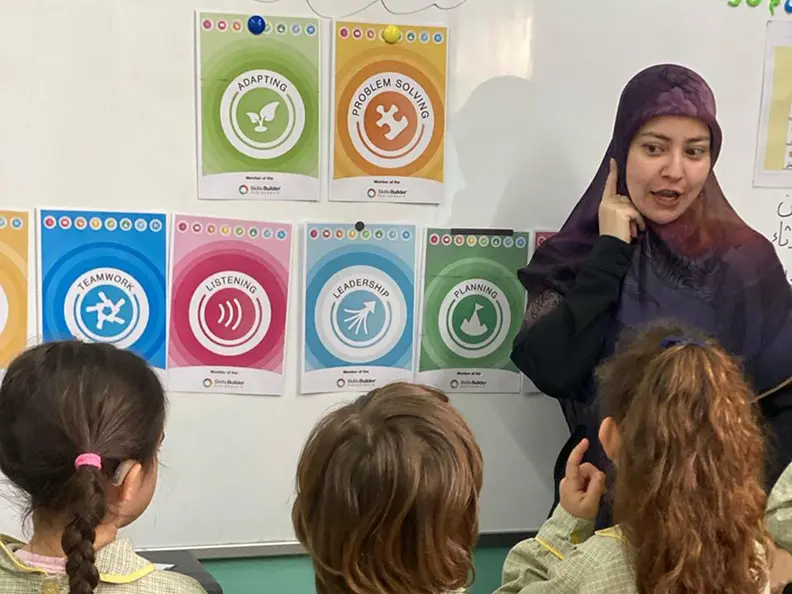
Through strategic collaboration with Skills Builder Global partners and the integration of the Universal Framework, Nigerian educators are empowering young people with the essential competencies needed to thrive. Core skills such as adapting and planning equip youth to translate raw AI outputs into viable commercial ventures, sustainable enterprises, and impactful community projects.
Escaping the "skills trap" through universal standards

International labour research underlines that without structured human skill development, youth in emerging markets risk becoming trapped in low-margin, outsourced task execution vulnerable to rapid automation. By establishing a unified, step-by-step framework for essential skills, Nigeria equips its youth with the transferable competencies needed to manage projects, collaborate across global teams, and spearhead sustainable economic leadership.
Strategic takeaways for global partners
- Leverage digital curiosity: Design educational initiatives that pair emerging technologies with explicit training in planning, execution, and leadership.
- Adopt skills-first credentialing: Partner with government bodies and industry leaders to recognize modular, framework-verified skill achievements.
- Bridge systemic equity gaps: Combine digital infrastructure investments with structured human skill frameworks to ensure broad-based, inclusive economic mobility.
Interested in learning more about our initiatives in Nigeria? Explore our work here.