From Challenge to Confidence: How Lebanon's Al Hadi Institute Unlocked Potential with the Global Accelerator Programme

The journey to empowering students to succeed requires more than just academic rigour. It requires a focus on essential skills that prepare them for the real world. This emphasis on essential skills is central to the mission of the Global Accelerator Programme, and the success story of Al Hadi Institute in Beirut, Lebanon, is an example of its impact.
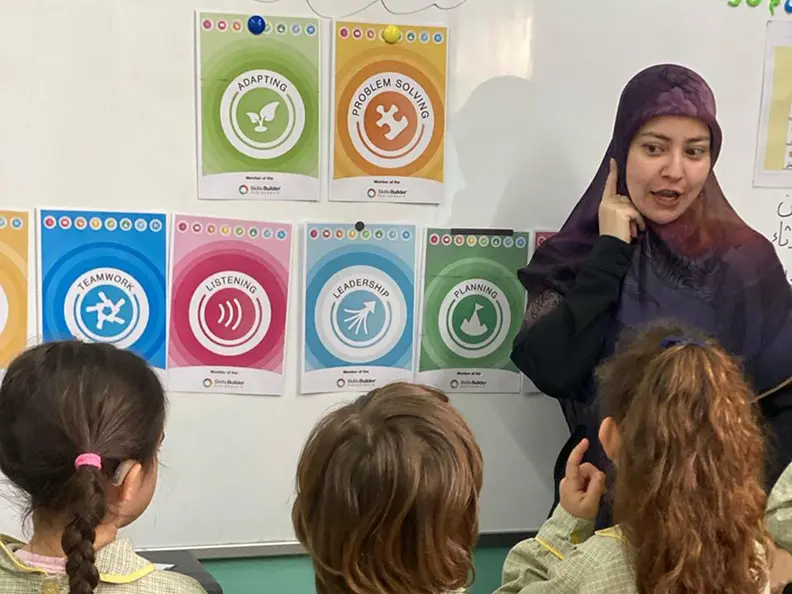
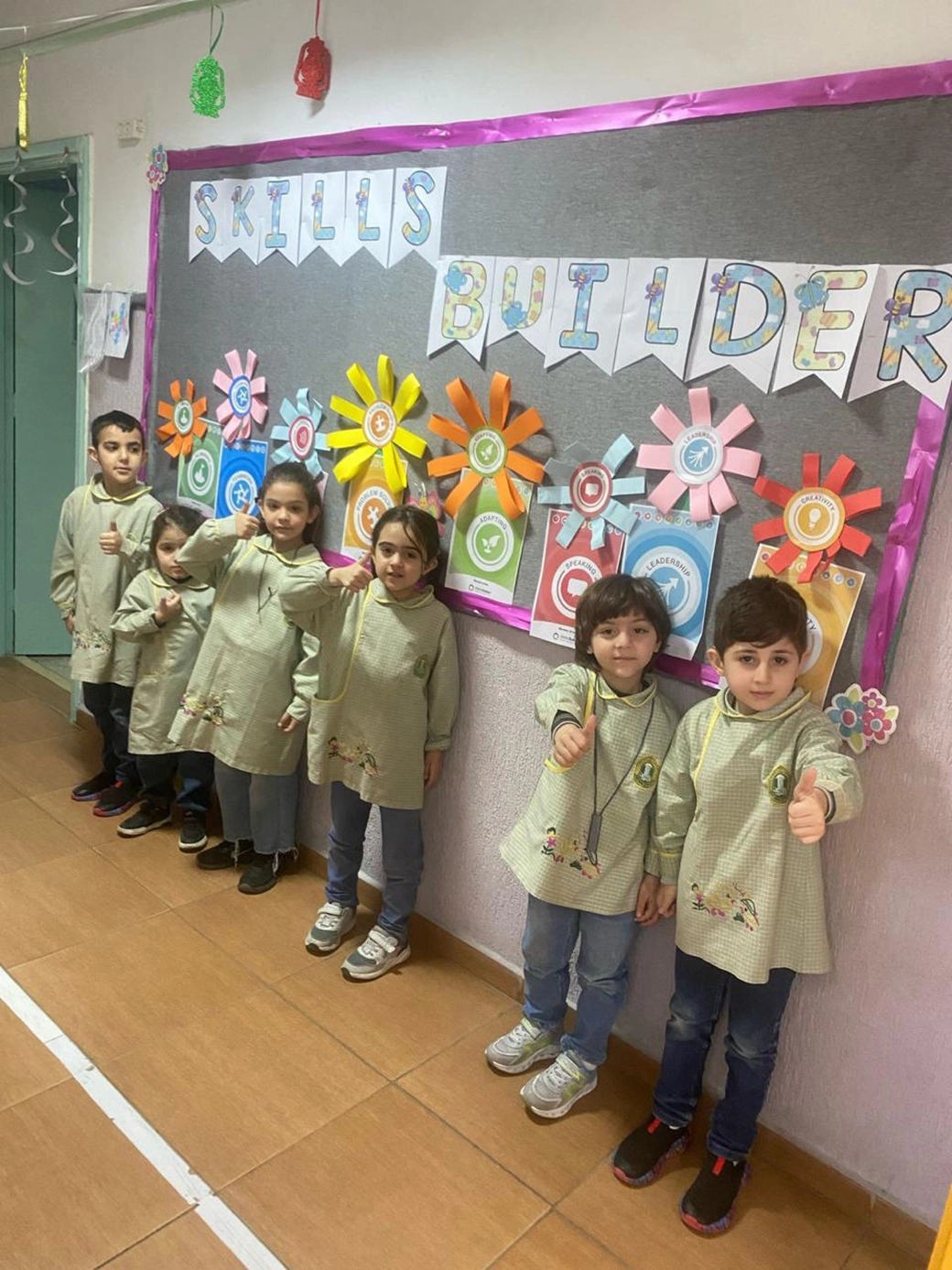
Al Hadi is a specialised educational institution supporting learners aged 3 to 22 with diverse needs, including visual impairment, cognitive disabilities, and autism. Their goal is clear: to holistically develop students’ life and academic skills to help them become independent and contributing members of society.

To gain a deeper understanding of how the Skills Builder approach has been adapted, we sat down with Rana Hamam, the Skills Leader at Al Hadi, who generously shared her invaluable insights and advice.
The Initial Roadblock: Consistency
Before joining the Global Accelerator Programme, Al Hadi's educators had already built sophisticated, tailored skills programs. However, integrating and tracking these skills consistently across five specialised schools proved difficult.
Rana, the Skills Leader at Al Hadi, explains the core problem they faced:
"The main challenge was to ensure consistency in tracking these skills across all classes in our five specialised schools and finding activities and resources that could integrate skills training in daily lessons."
The Solution: A Shared Language
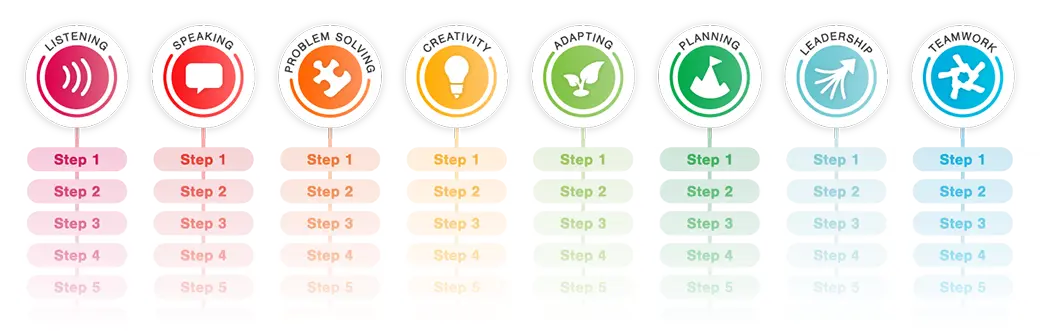
The introduction of the Universal Framework transformed how the entire Al Hadi community- educators, learners, and parents- communicates about skills. It provided a consistent, shared language and clear progression steps for the eight essential skills.
Now, skills are explicitly discussed in lessons, and students actively reflect on their progress. For example, Problem Solving skill step 2: I find help from someone if needed has become deeply embedded in classroom projects and exhibitions, reinforced by the shared vocabulary.
The Game-Changer: A Surge in Confidence

If there is one single element that validated the impact of the Accelerator Programme, it was the visible change in the students themselves. Rana notes a remarkable shift in the classroom dynamic:
"The main game-changer was the noticeable increase in students’ confidence and active engagement."
This growing sense of self-awareness has been transformative, especially for learners with disabilities. Rana saw this ownership shine brightly during a recent event:
"Students started to reflect on their own learning process, even during the Annual Talent Show where they explicitly articulated the skills steps that they followed."
The Secret to Sustained Success: The Six Principles

While the Framework provided the "what," the Six Principles of Best Practice provided the "how." These principles offered a clear, systematic roadmap for integrating skills into the school's culture.
Rana considers this the most valuable part of the experience:
"The Six Principles of Best Practice was the most transformative element of the whole programme. They gave us the clear structure we needed."
So, what are the six principles?
1. Keep it Simple
- The Focus: Establish a single, consistent set of skills and use a uniform vocabulary across all learners, staff, and parents.
- The Goal: Eliminate confusion and make the skills tangible and objective for everyone.
2. Start Early, Keep Going
- The Focus: Treat essential skills as foundational to all learning, not just a final intervention for employability.
- The Goal: Begin building skills from the earliest years and sustain that focus throughout the entire learning journey to foster deep mastery.
3. Measure It
- The Focus: Bring rigour to the process by consistently assessing learners' strengths and weaknesses against the framework (e.g., through observation or self-assessment).
- The Goal: Use data to set clear, developmental goals and track progress systematically.
4. Teach Directly
- The Focus: Dedicate focused time to the explicit instruction of the skills. Don't assume passive acquisition.
- The Goal: Target the next developmental step for each learner with specific, intentional teaching strategies.
5. Keep Practising
- The Focus: Actively reinforce essential skills across all subjects, curriculum areas, and extracurricular activities.
- The Goal: Maximise opportunities for practical application and encourage learners to reflect on when and how they use the skills.
6. Bring it to Life
- The Focus: Help learners see the real-world value of these skills by linking them to authentic contexts and challenges.
- The Goal: Connect the skills directly to education, employment, and entrepreneurship, demonstrating their utility for future success.
Rana reflects on the fact that implementing these six principles helps to ensure that essential skills become a continuous, measurable, and impactful part of every learner's journey.
Advice for Future Accelerator Schools
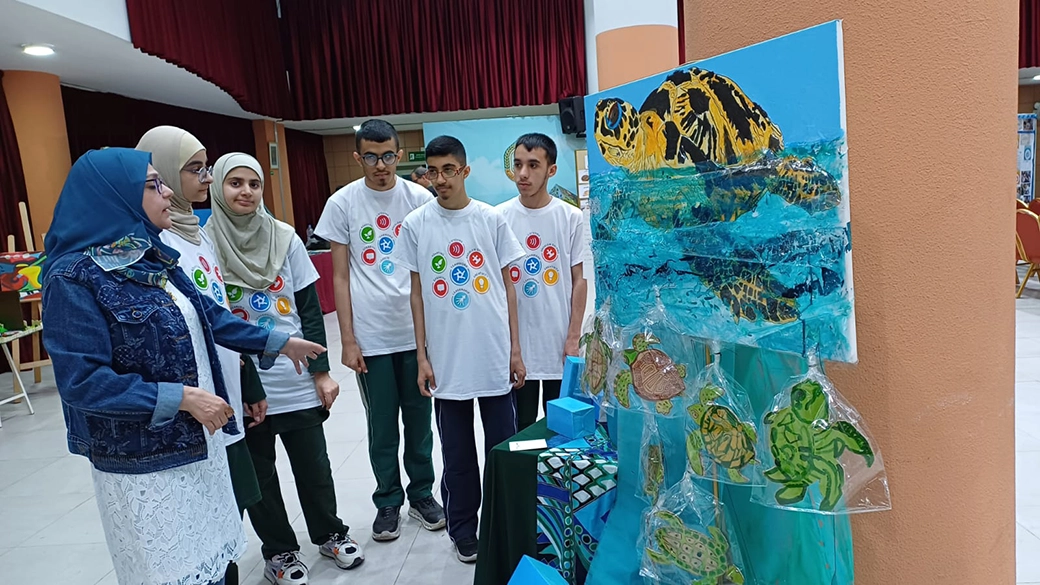
For any school considering joining the Global Accelerator Programme, Rana offers practical, experience-based advice on implementation:
"Embrace the Universal Framework as a journey rather than a one-time initiative, with a small focus at the start, ensuring all staff are trained, and engaging parents and administrators."
The true strength of the Skills Builder approach, Al Hadi’s journey shows, is its flexibility, which allows every school to personalise the implementation while maintaining the consistency and clarity of a global standard.
Inspired by Rana and the way that she has embedded the Skills Builder approach?
Register your interest for the 2026-27 cohort of the Global Accelerator Programme today.