
At Skills Builder Global, we know that if you want an essential skill to be embedded, practiced, and eventually mastered, you have to Keep It Simple. This is the first of our Six Principles of Best Practice, and it underpins the entire journey of essential skills development.
The Challenge of Jargon
If a concept is complex or inconsistent, it is difficult to teach and therefore hard for learners to master. The principle of Keep It Simple ensures that everyone building essential skills, from a young student to a senior professional, can immediately understand and develop a common and consistent language of essential skills.
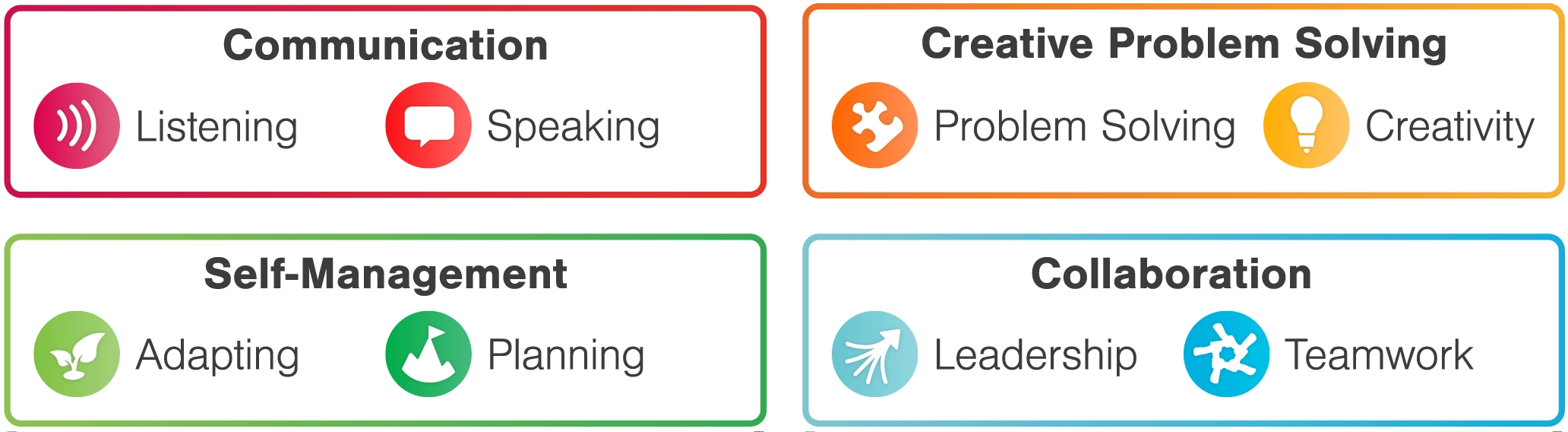
Essential skills are often described with vague, inconsistent terms like "soft skills" or taught via vague instructions like "be more collaborative." This lack of a shared, clear language is the single greatest barrier to learner progress.
How can a student genuinely reflect on "being collaborative" without a clear definition or specific steps that define effective teamwork in their context? How can an educator build learners’ essential skills at the right level or consistently assess learners' progress?
The simple truth is, they can’t.
The journey to successful skill development must begin by stripping away this complexity and establishing a common language.
The Simple Solution: The Universal Framework
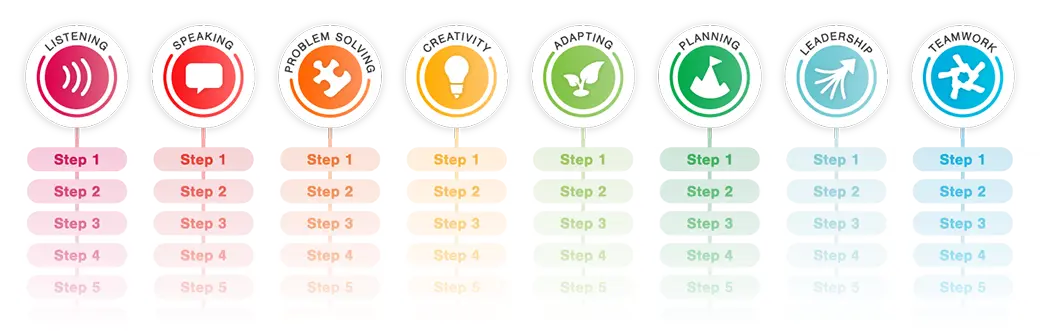
The Skills Builder Universal Framework is the ultimate expression of the "Keep It Simple" principle.
- Eight Essential Skills: The Universal Framework breaks down the essential skills into eight core skills (Listening, Speaking, Problem Solving, Creativity, Adapting, Planning, Leadership, Teamwork).
- Structured Progression: Each of the eight skills is broken down into sixteen sequential steps across four stages of development (Beginner, Intermediate, Advanced, Mastery). This structured approach allows users to clearly measure their current skill level and follow a precise path from absolute beginner to complete mastery.
- Universal Application: Developed through extensive research with businesses, academics, and educators, the Universal Framework is used globally by schools, organisations, and non-profits to ensure that everyone is using the same common, clear language of essential skills.
How to Embed the "Keep It Simple" Principle

Educators wanting to embed essential skills, simplicity must be the guiding star for all your actions:
- Unified Language: Ensure every stakeholder- educators, parents, learners, managers, and partners- is using the exact same terminology from the Universal Framework. Consistency is key.
- Widespread use: The language of essential skills should be used across the school or college by all stakeholders- educators, parents, learners and wider partners- using terminology from the Universal Framework.
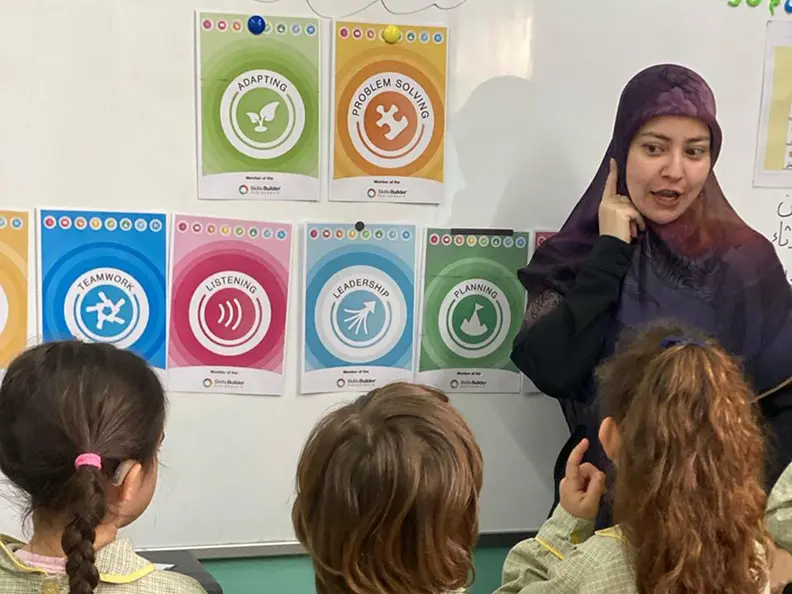
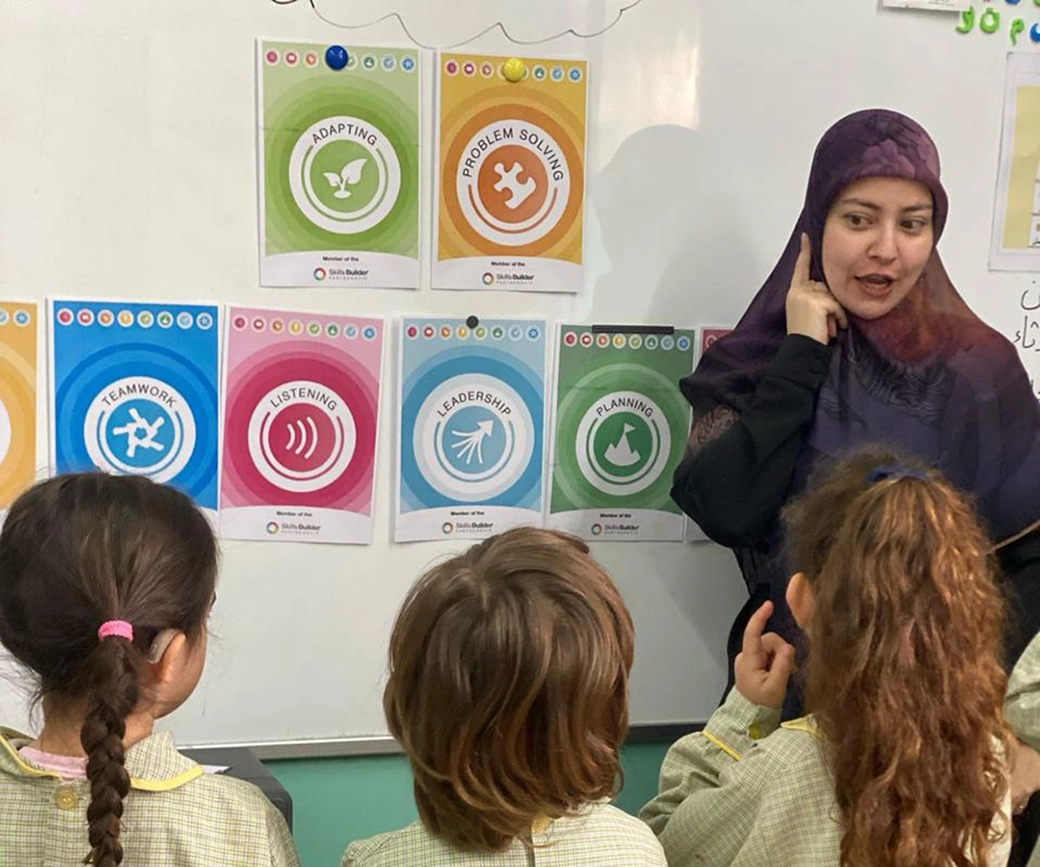
- Visibility: Use visual aids like posters, display materials, and icons (all available on the Skills Builder Hub) to make the skills visible and constantly present, eliminating the need for lengthy explanations.
- Events: Essential skills should be referenced in internal and external events, such as assemblies, staff meetings, and parent meetings.
- Recognition: Educators should recognise learner effort and achievement specifically in relation to essential skills. Many reward students using certificates from Skills Builder Hub.
In a complex world, clarity is our strongest asset. Adhering to Principle 1: Keep It Simple ensures that the path to skill mastery is accessible to everyone, transforming how our schools and organisations embed essential skills- one clear step at a time.